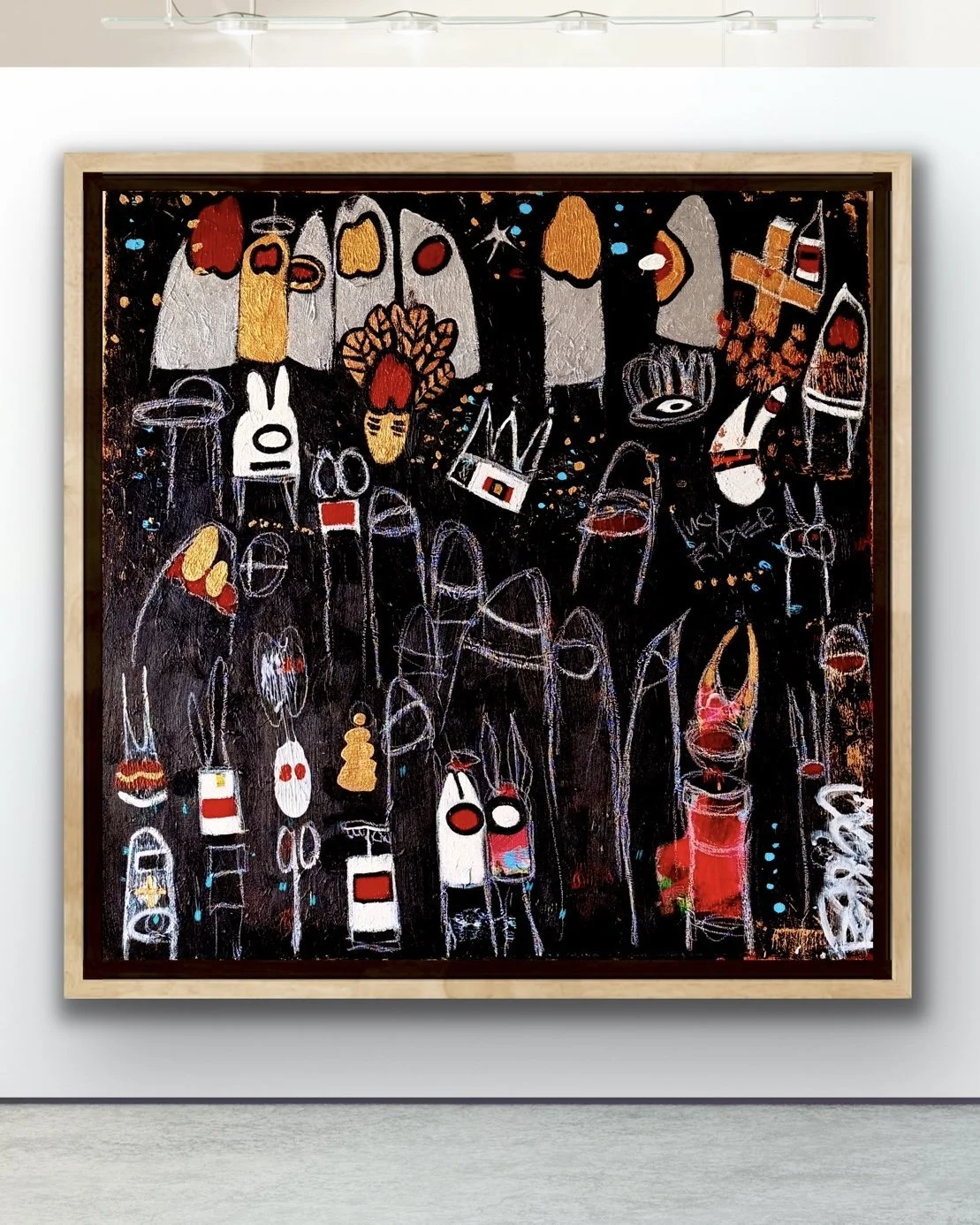
4
Book of the Night
The Night of Conflict
( August 2025- October 2025, January-July 2026)
Artist Statement
The Book of the Night is the final chapter of a four-part series examining how digital tools are used to quash dissent and free speech within contemporary digital platforms. Shaped by personal experiences of sim swapping, account take over, and targeted harassment, this work considers how fascist tendencies no longer operate solely through overt violence, but through what might be described as techno-fascist silence: algorithmic suppression, automated moderation, and corporate surveillance presented as safety, neutrality, or the correction of misinformation. As we move through the post-pandemic space where it has become common practice for large online social media platforms to silence dissent at the behest of its key stakeholders, we can see our First Amendment rights rapidly dissolving when we speak truth to power. The work situates surveillance not as an external constraint, but as an ambient condition that we can’t escape: embedded in platforms, credentials, and interfaces that govern visibility and legitimacy. Speech is not prohibited outright; it is throttled, scrubbed or rendered invisible. Control is exercised less through censorship than through automated moderation. The Book of the Night examines how one’s digital identity has become continuous, aggregated data-driven, and difficult to erase. All of our online activity is now collected forever on servers housed in remote data centers owned by strangers who seek to profile us. We are tracked through our phones that are assigned unique IMEI codes that log and transmit our every location. We are monitored without warrants under the guise of “National Security.” Access to social ecosystems, economic enterprise and essential tasks is increasingly mediated through digital ID. To step outside these systems is not an act of freedom, but a form of exile. Without digital credentials, one is pushed to the margins of society, present yet unrecognized. This work revisits Aldous Huxley’s notion of the Noble Savage. In a world of near-total digital adoption, the possibility of living off the grid collapses under the weight of digital dependency. What once appeared as voluntary participation, novelty and convenience is now a necessity to participate in modern life. Ultimately, The Book of the Night asks whether freedom can exist beneath a digital net that is always watching and sorting. When surveillance is continuous, speech is governed by automated systems without appeal, and dissent is silenced through content removal, civil liberties erode. This work lives in this erosion, interrogating who is allowed to speak, who is rendered invisible, and how power and propaganda operate insidiously from the shadows of technology.
-Macaulay Woods, January 2026/ updated July 2026
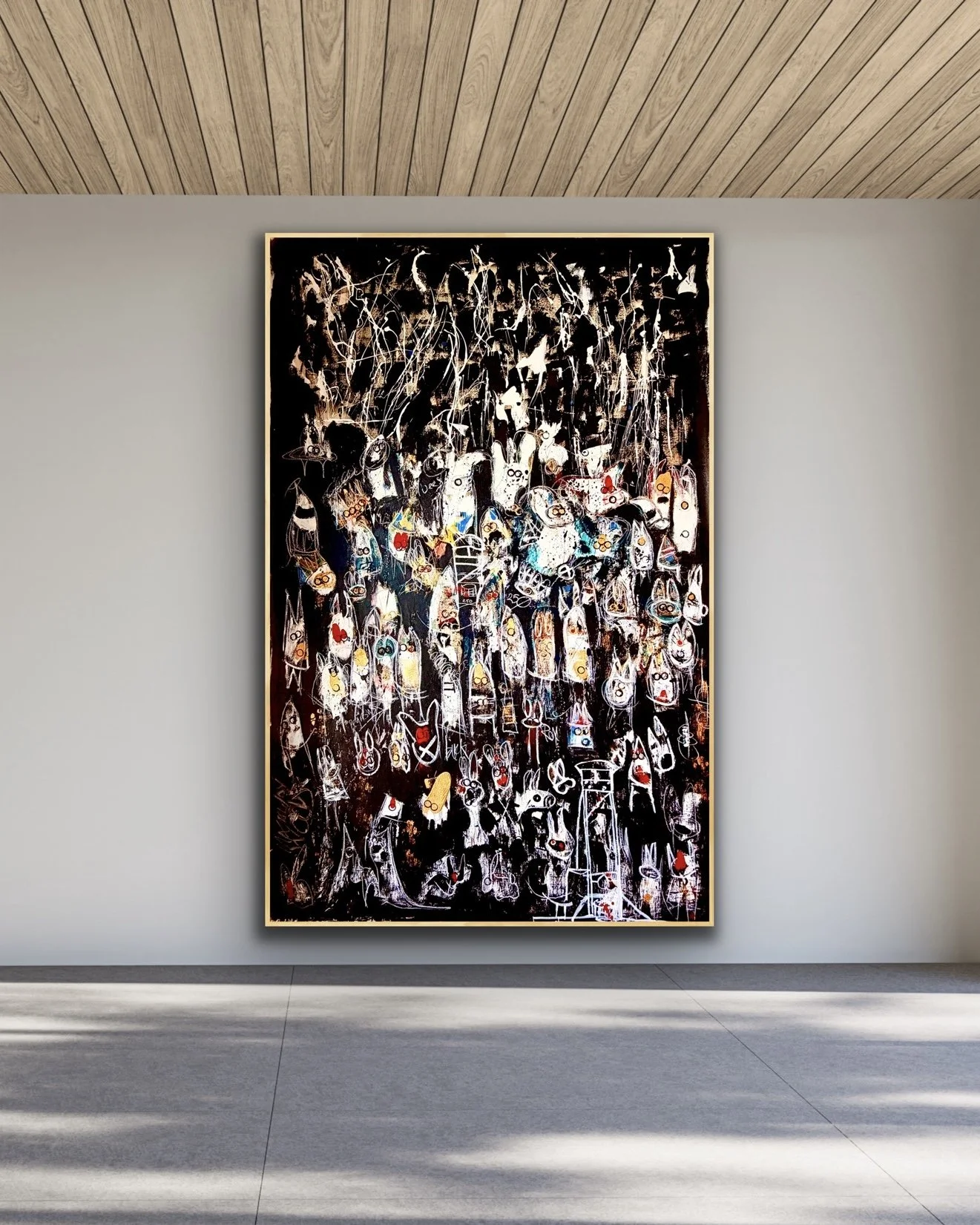
Guillotine
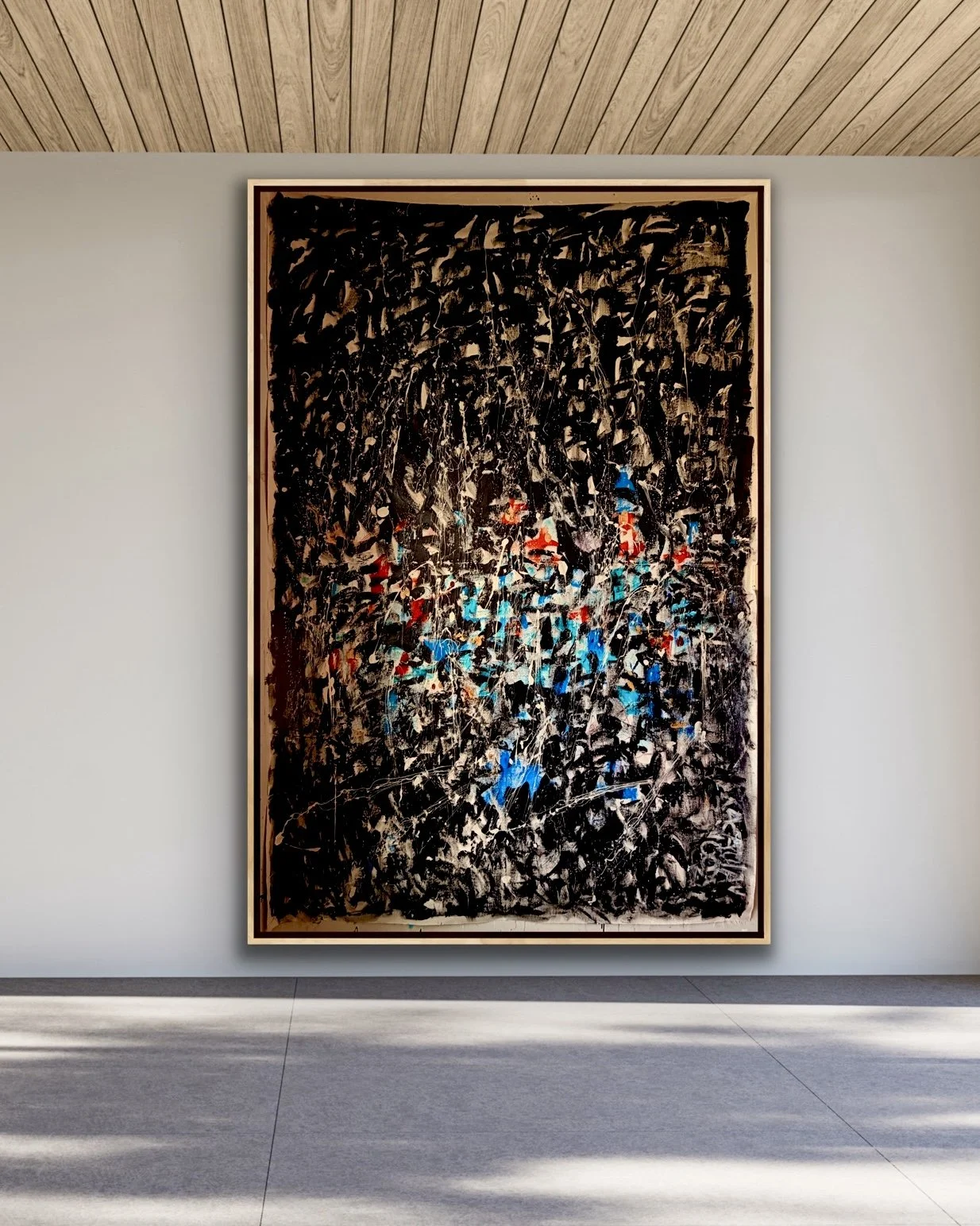
Pegasus
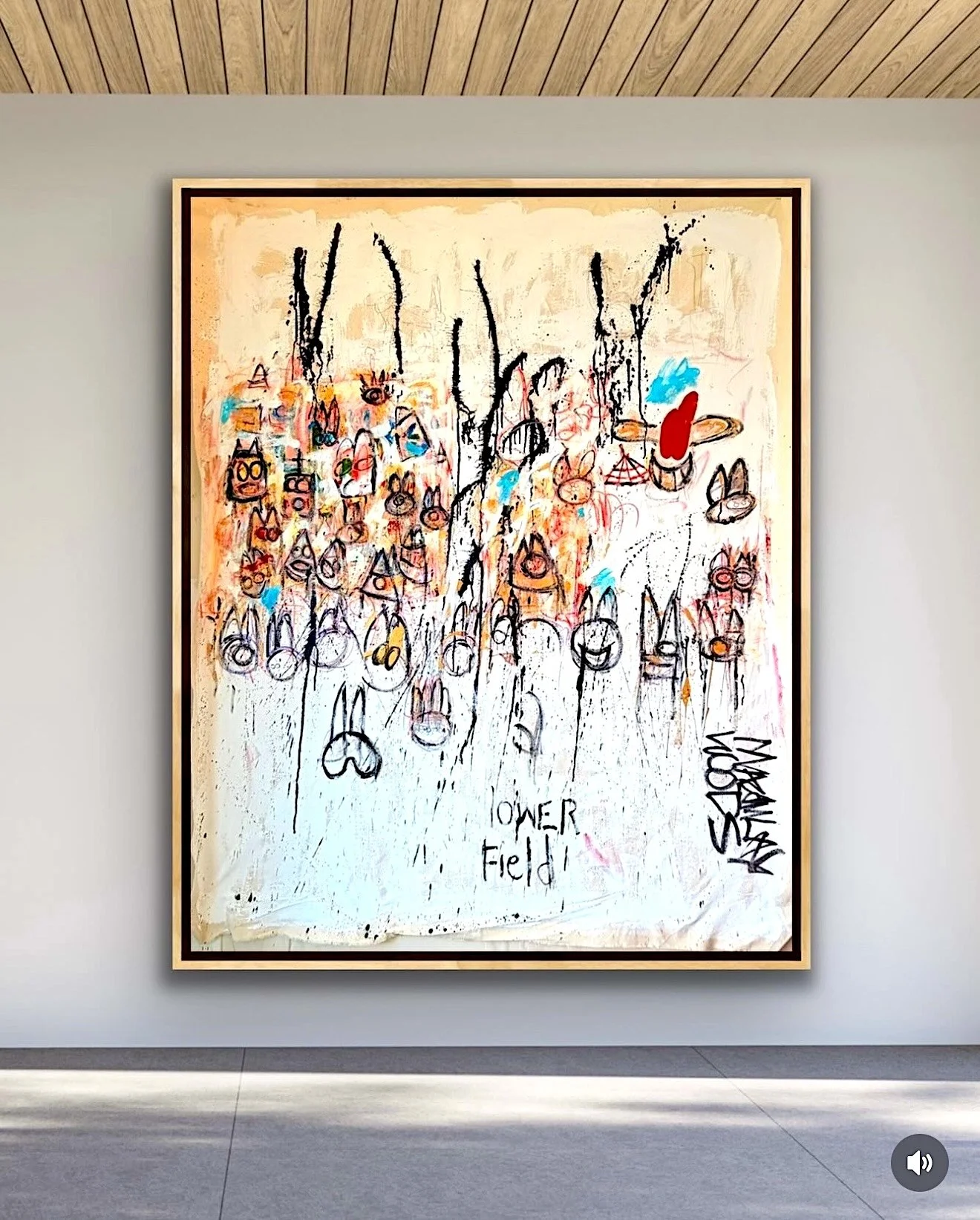
Lower Field
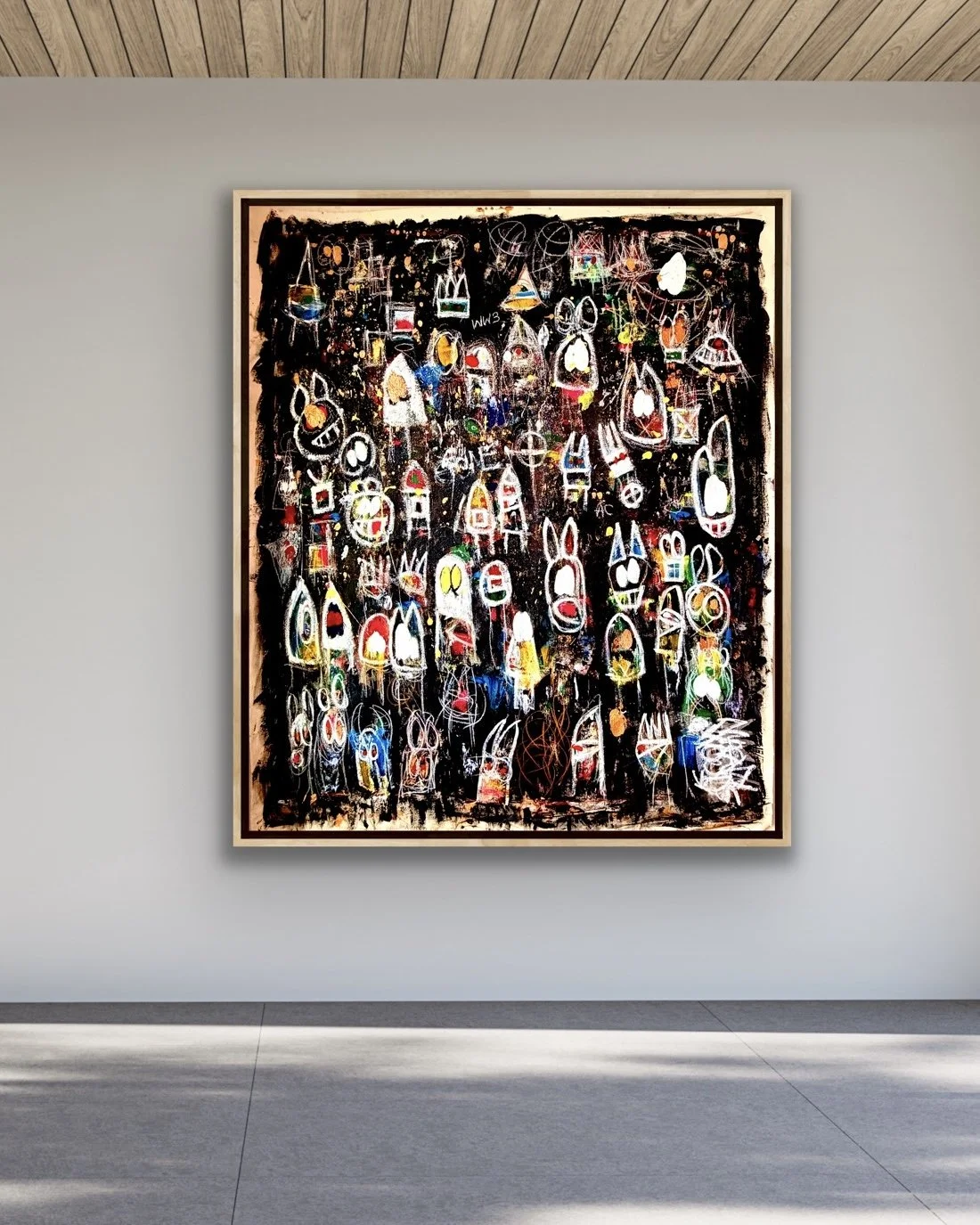
Bad fings
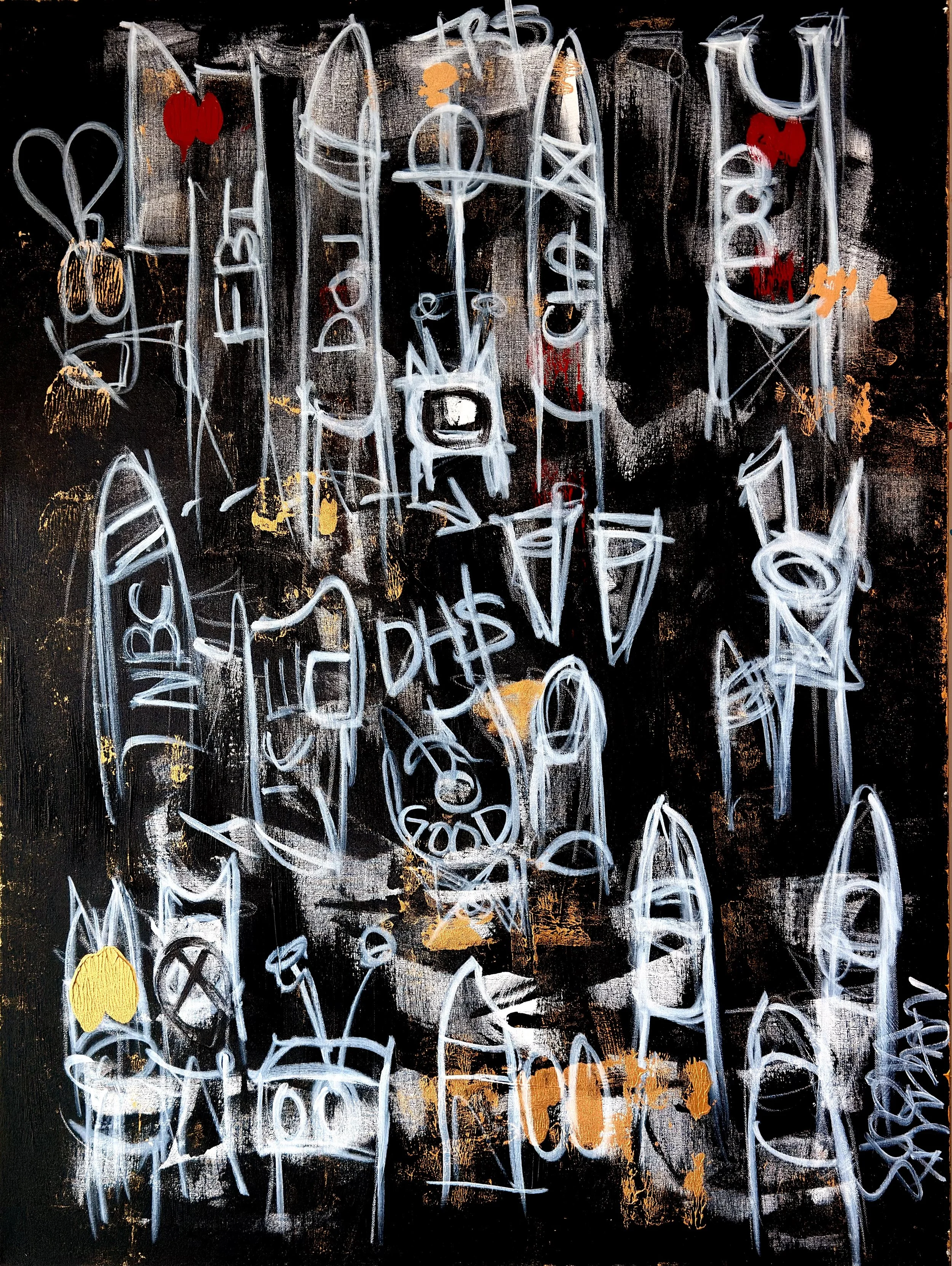
The Battle of Minneapolis
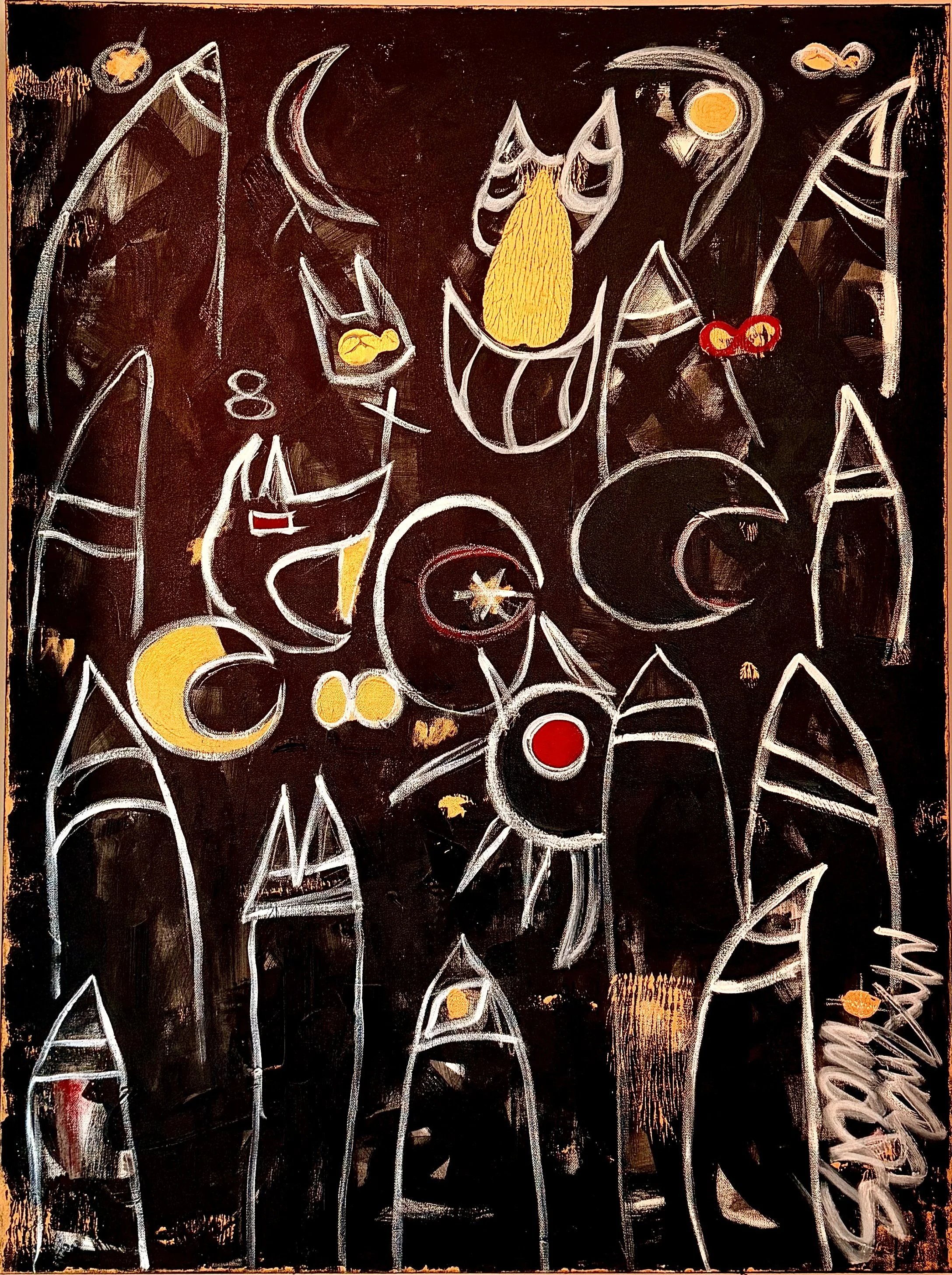
The joke's on us, boys.
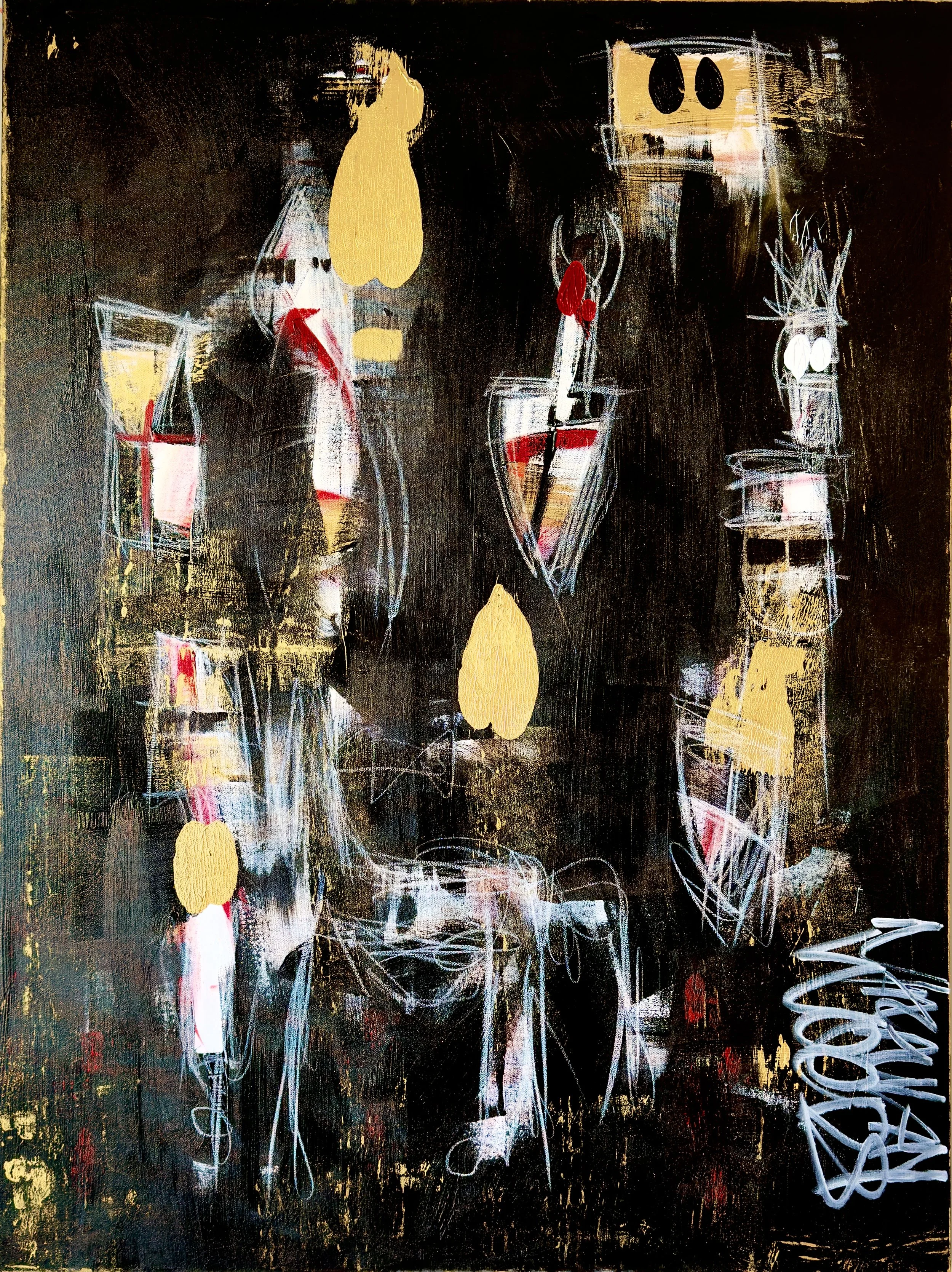
In Exile
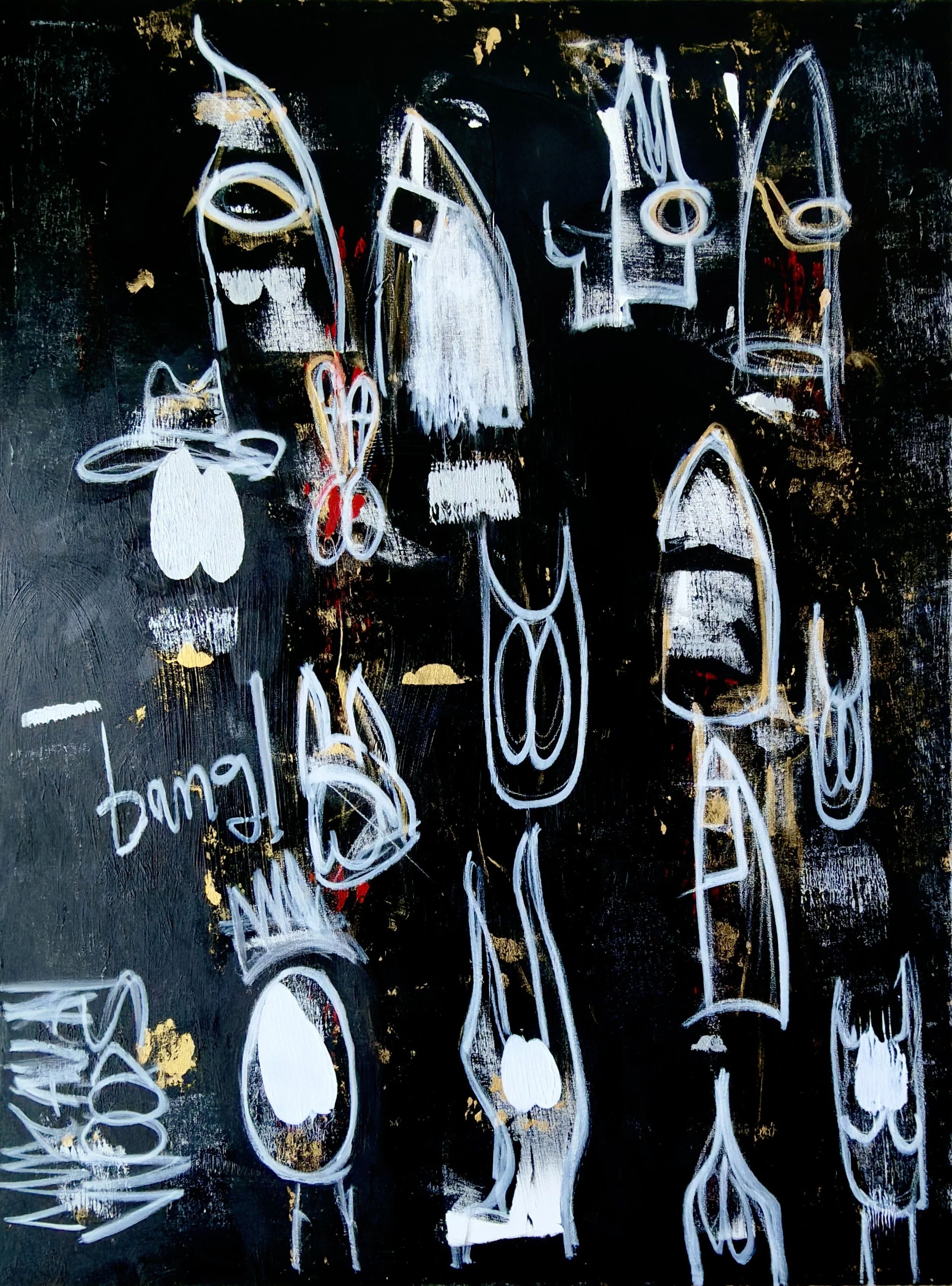
The Agitator
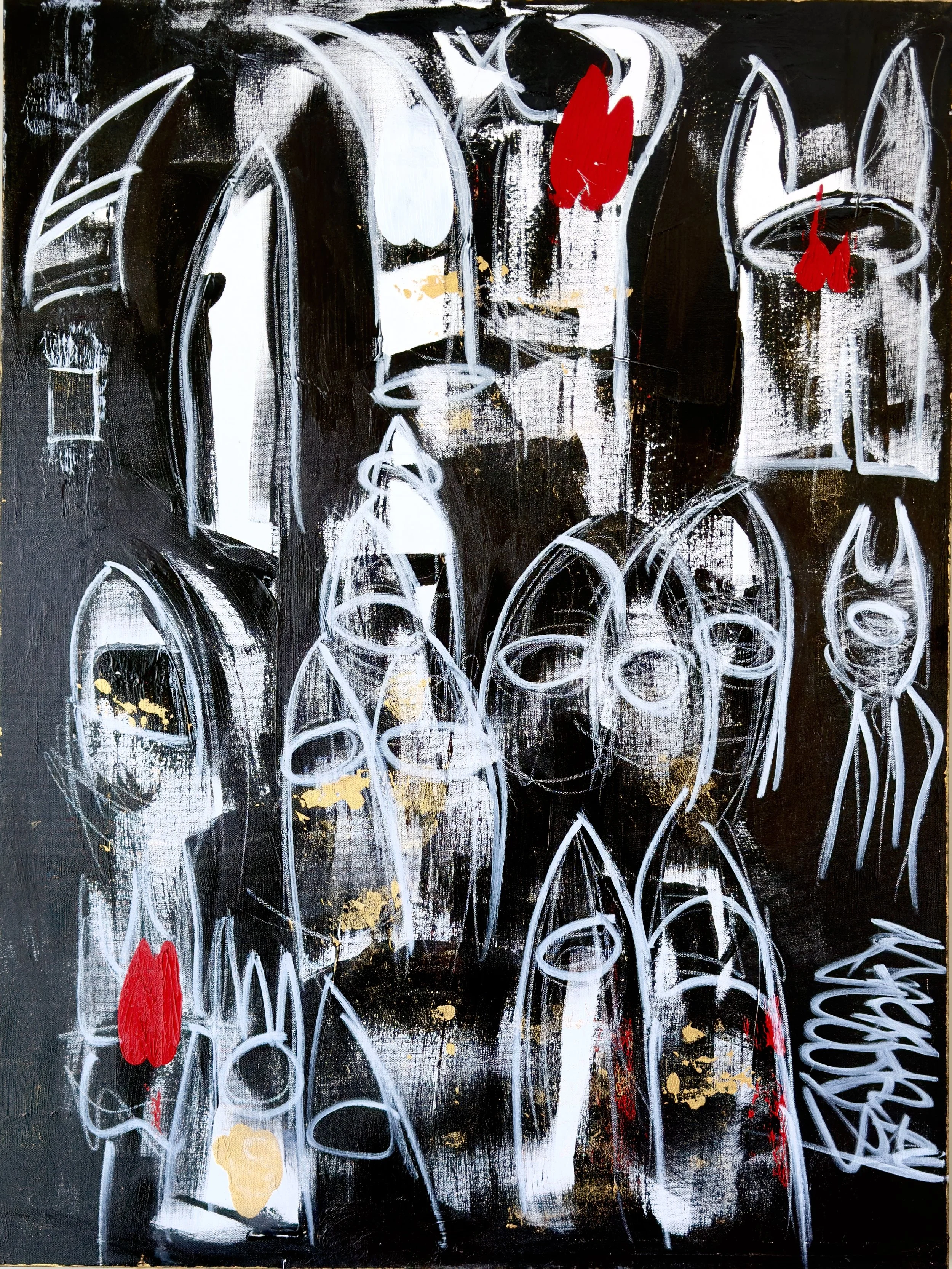
The Observer
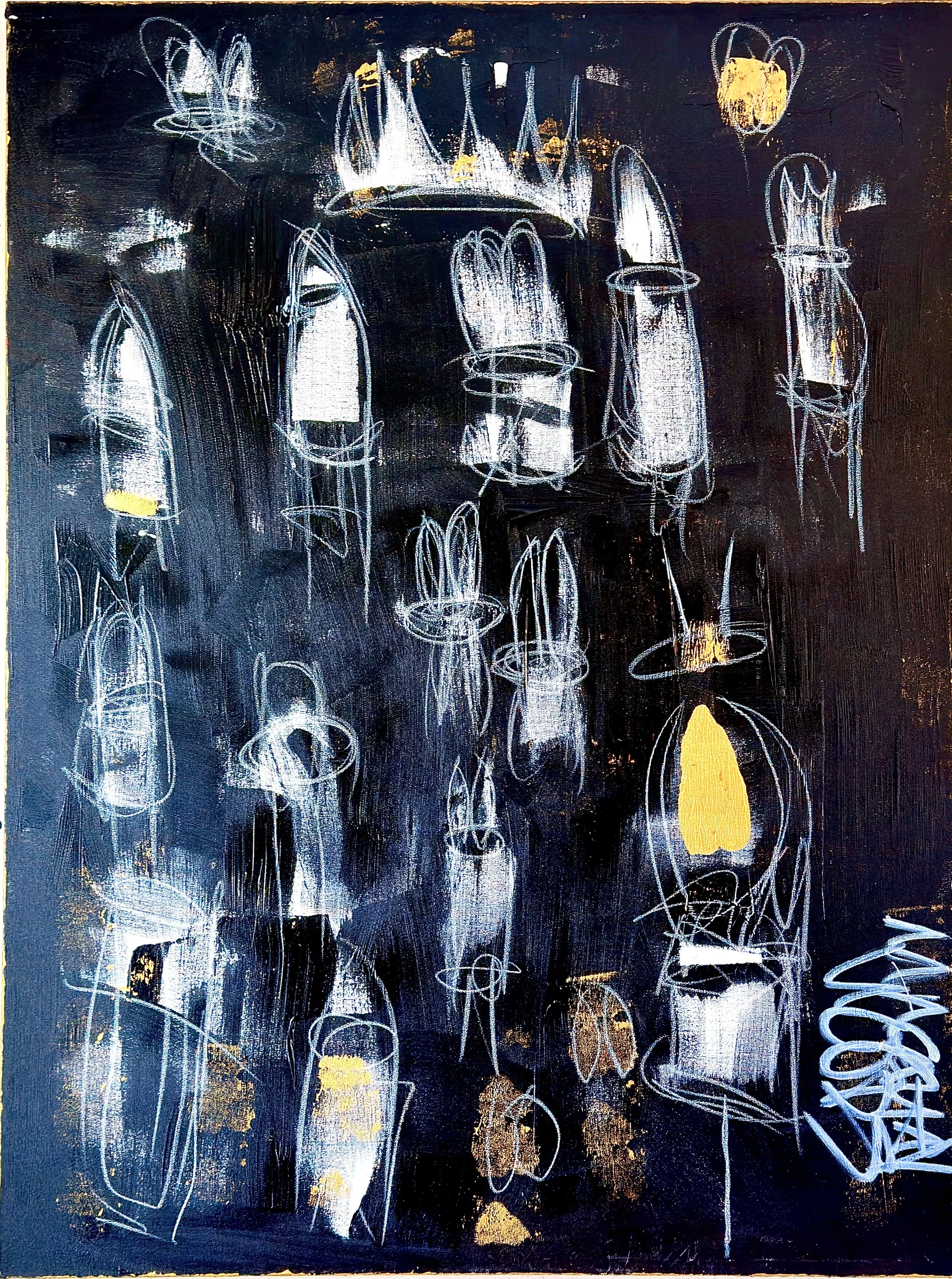
Apathy
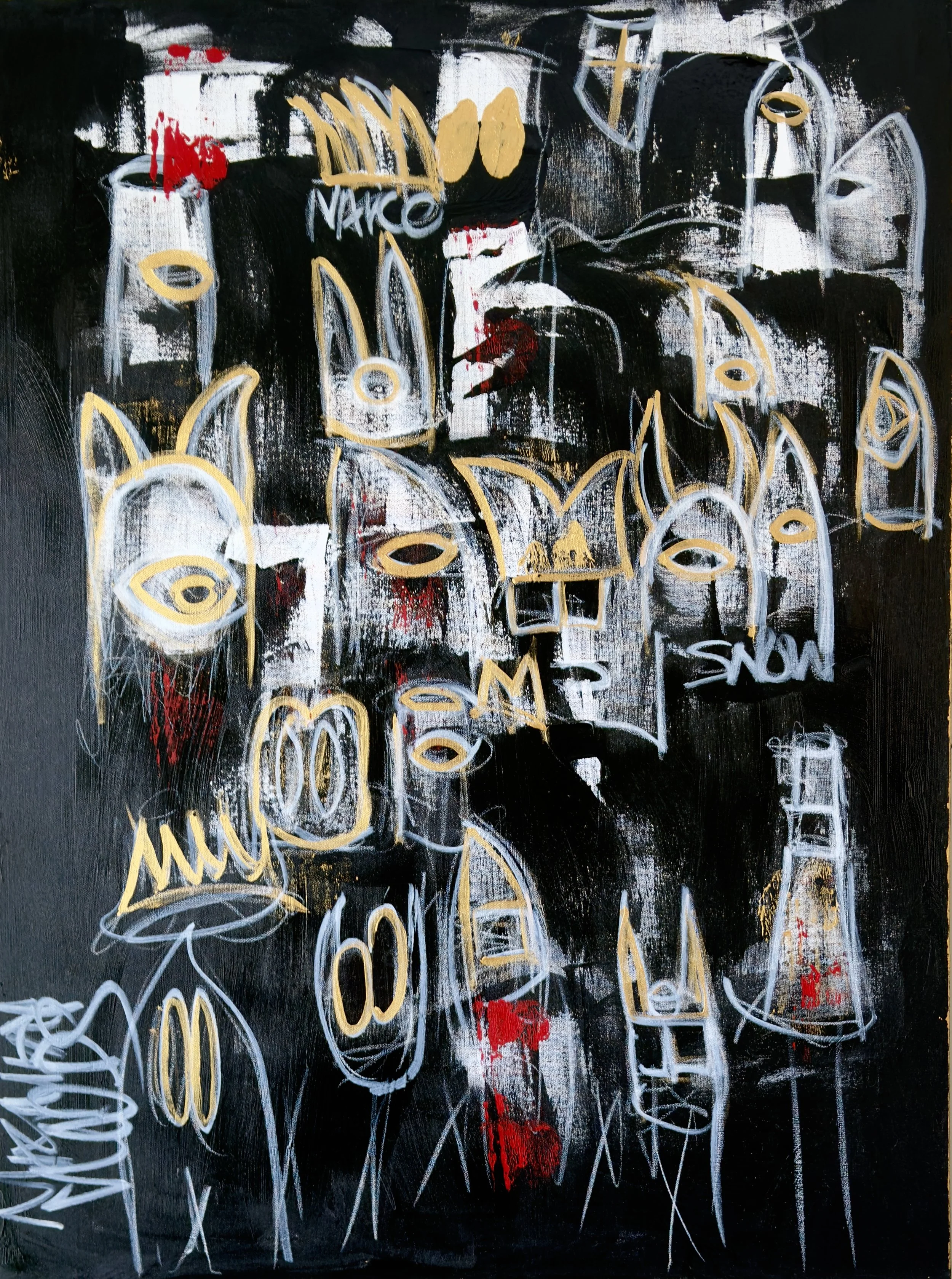
Narco, 2026
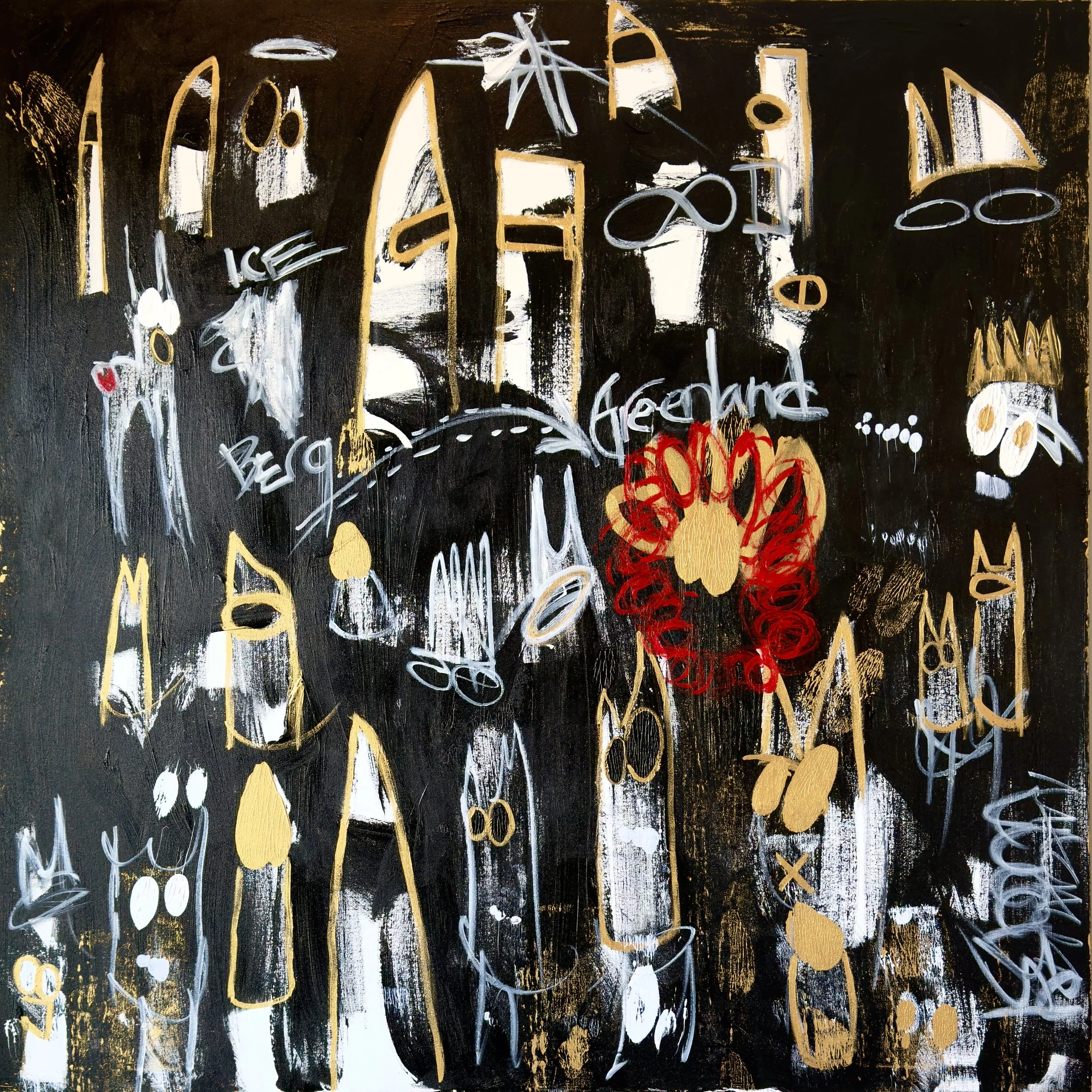
American Dream
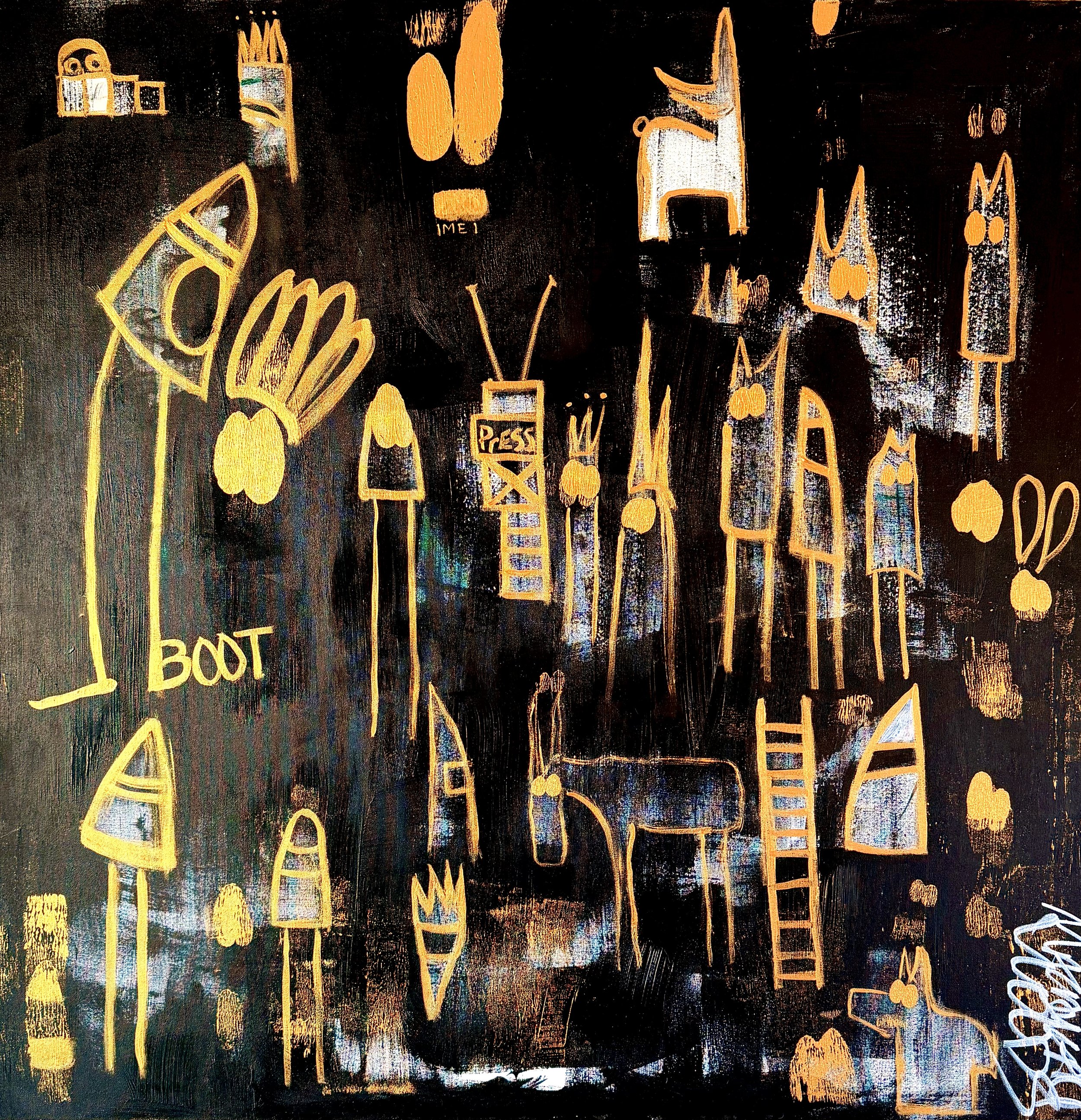
The Noble Savage

Blessed are the Peacemakers
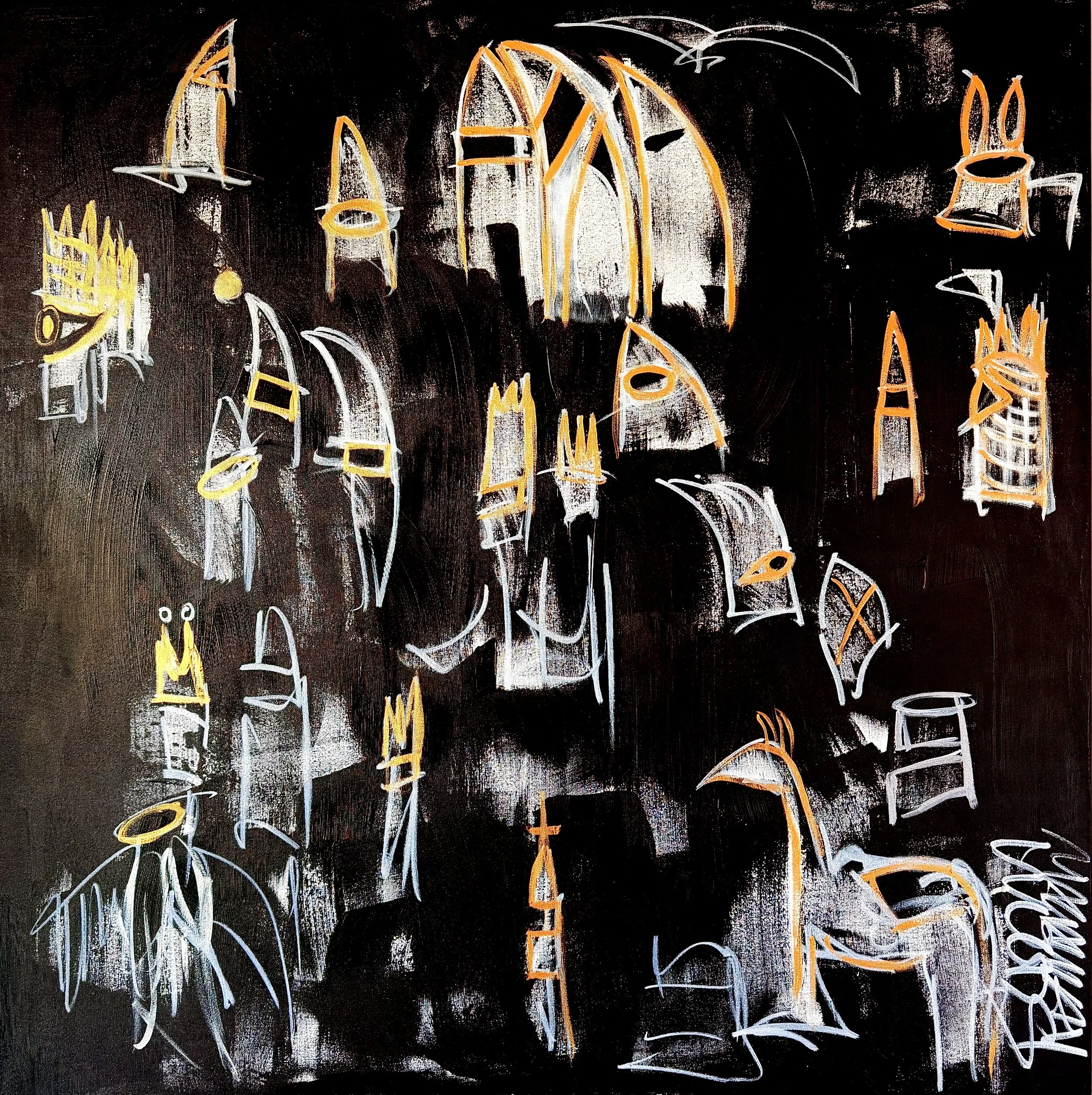
Deception
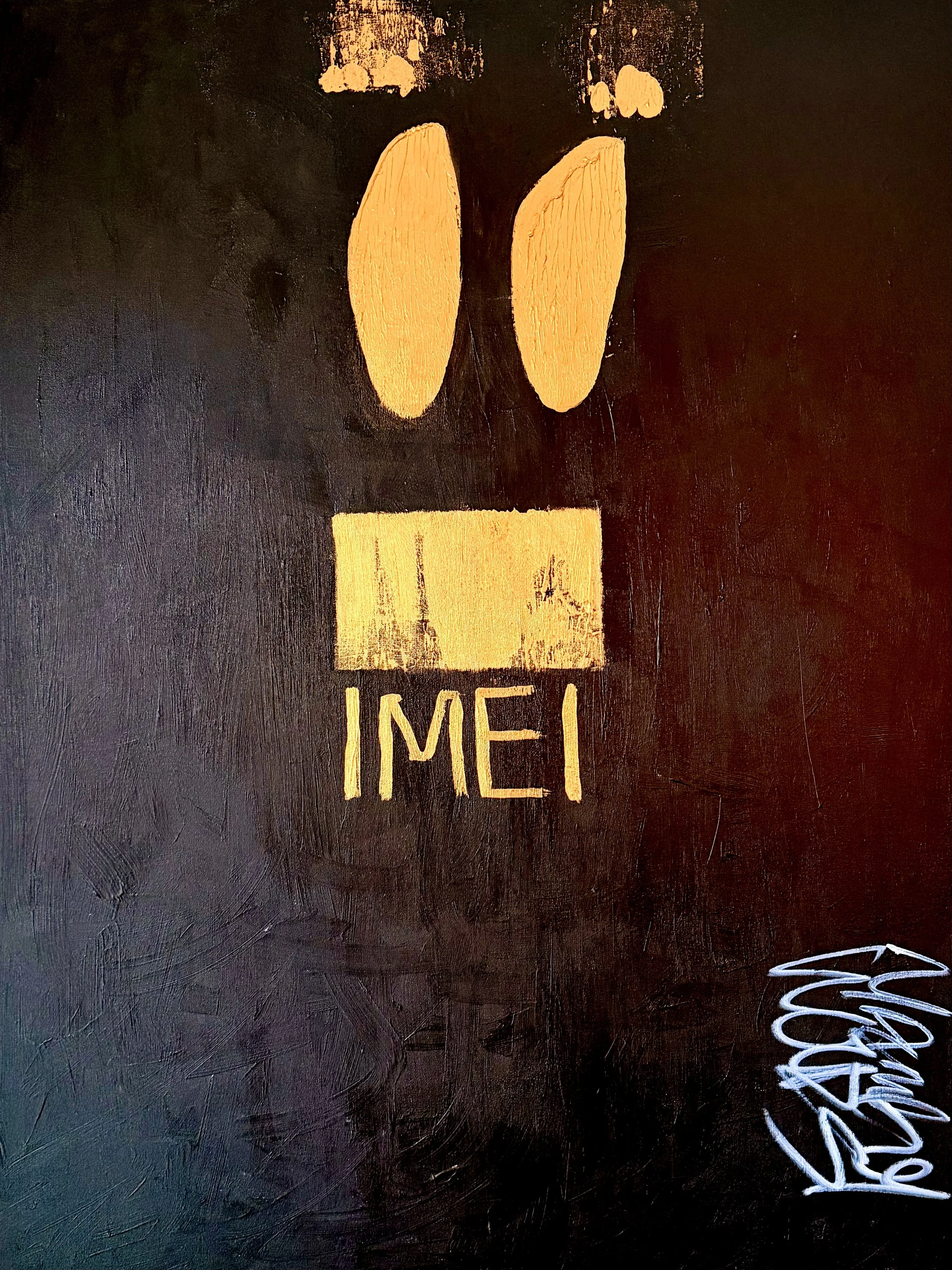
The Official Narrative

The Truncheon of Hathor
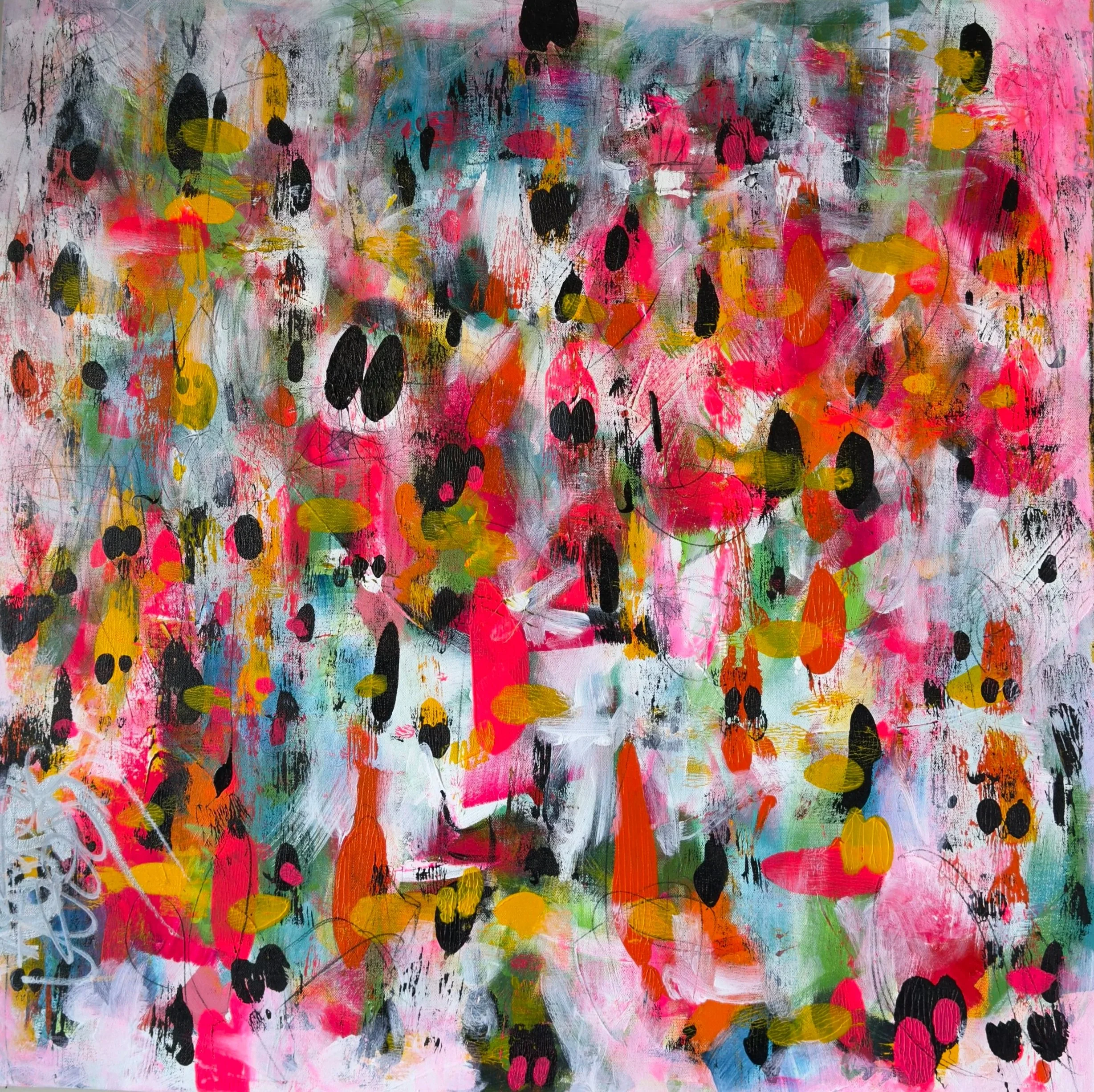
Propaganda, (.)
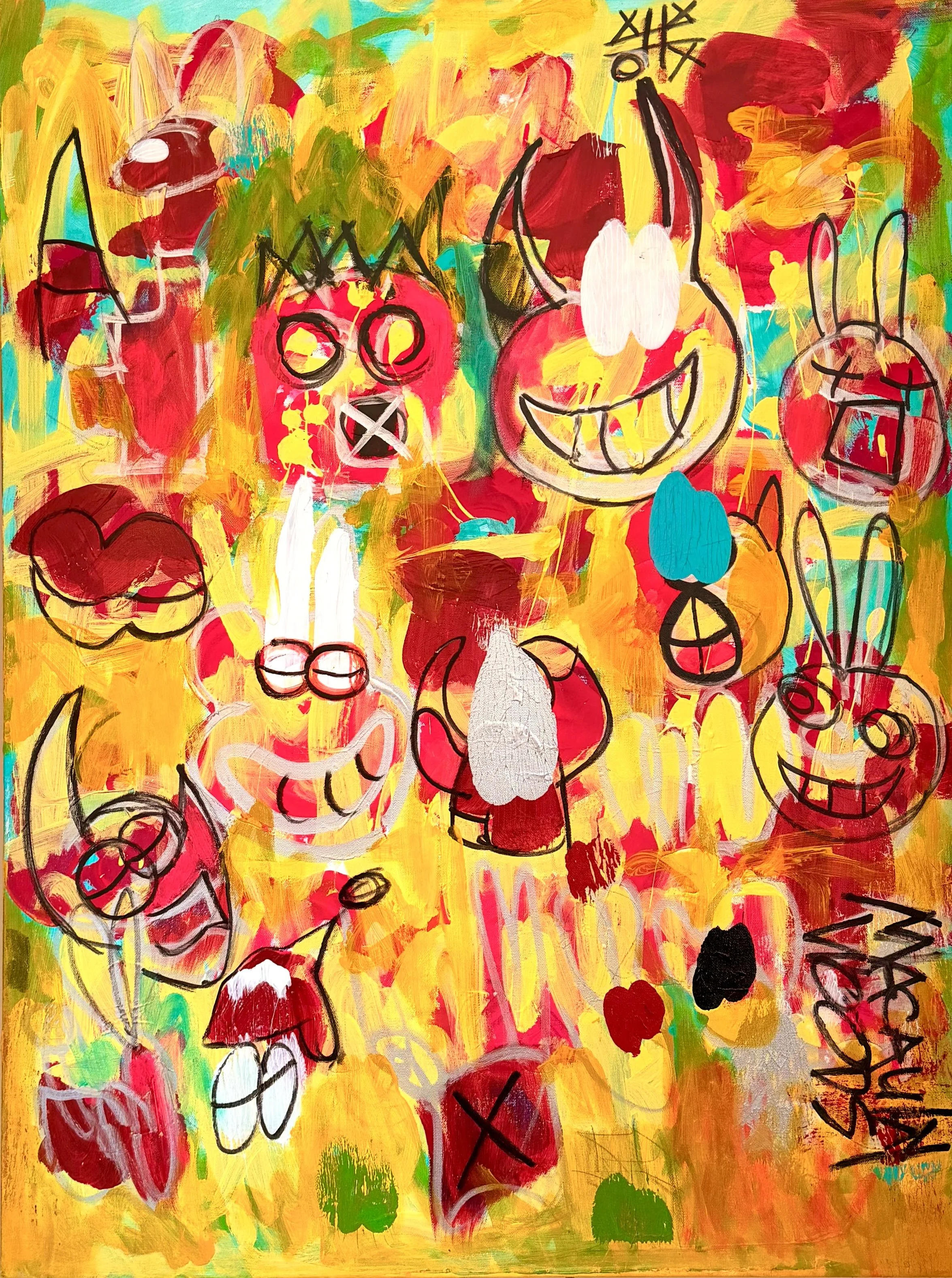
Kompromat
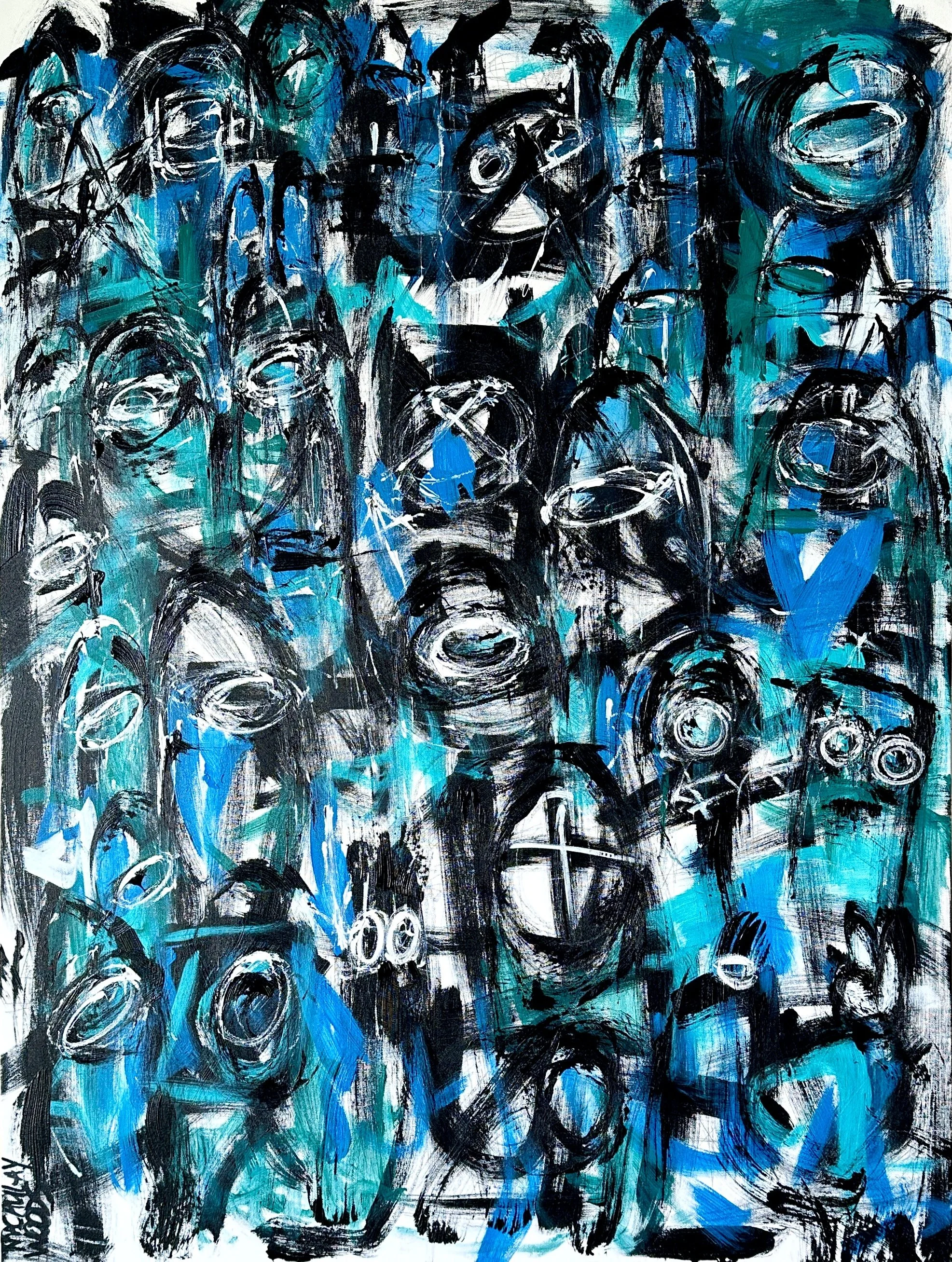
The Wakers

The Hider
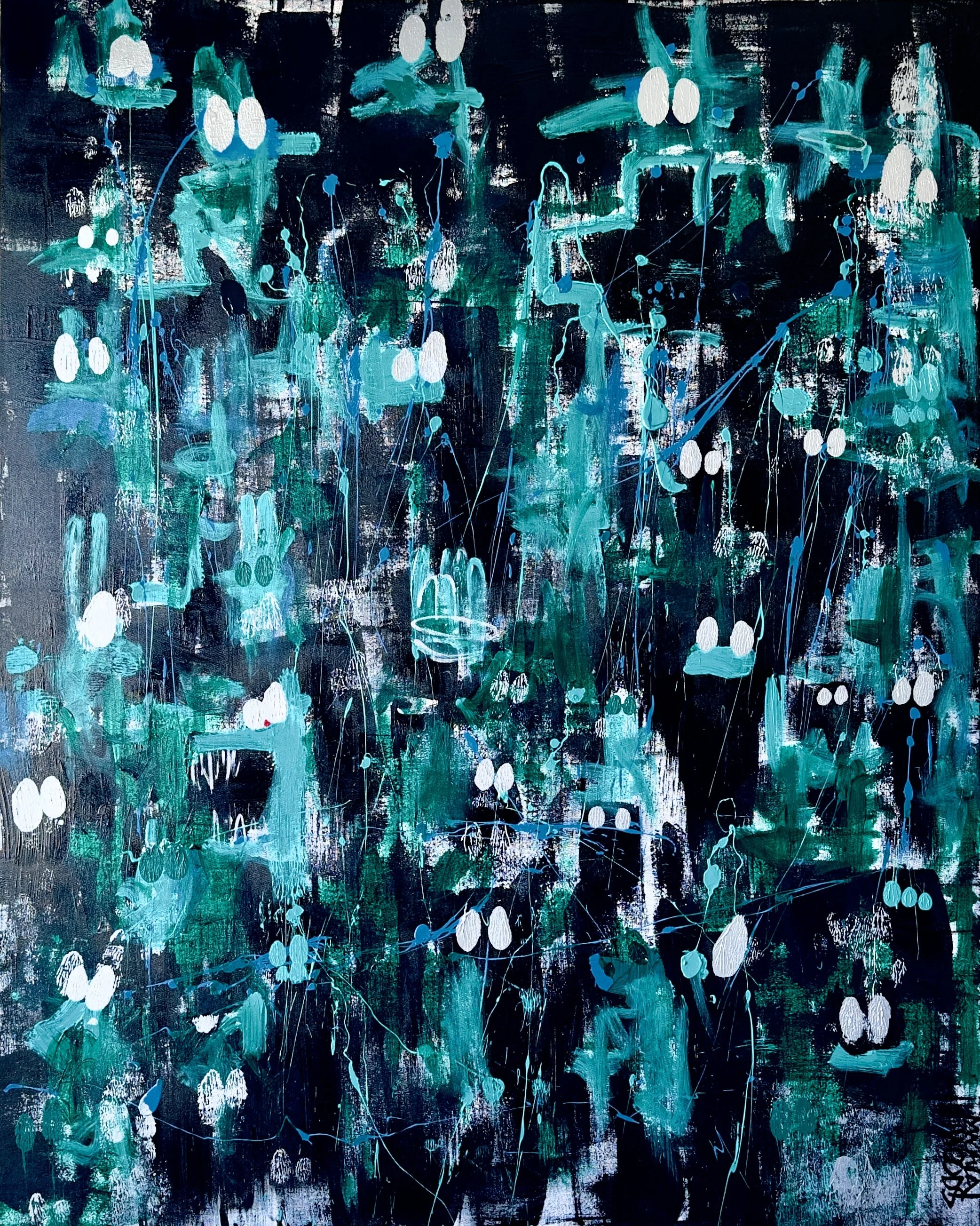
The Night of Reckoning Destruction
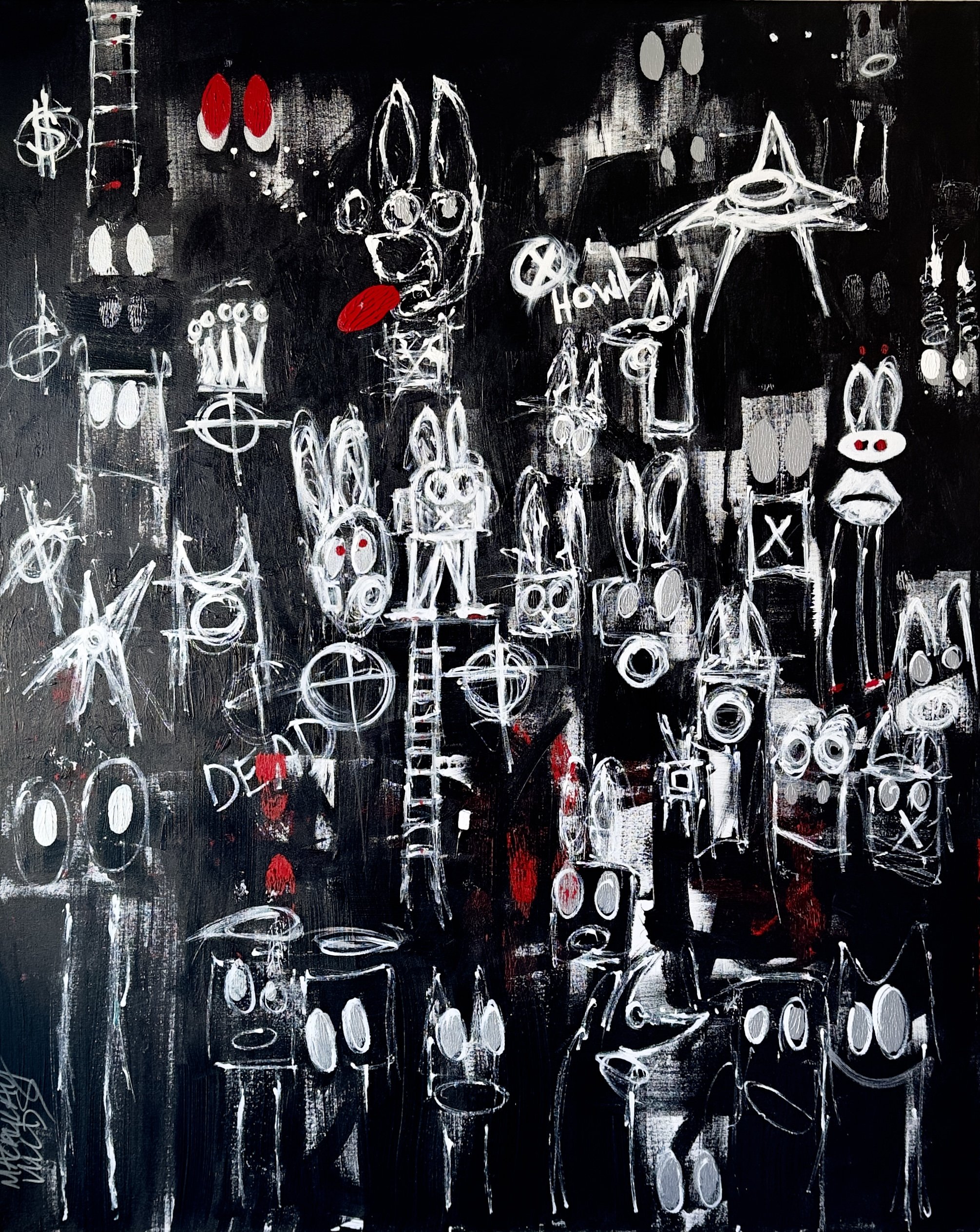
Bloody shoes

The Negative Confession

Humanity Rebels
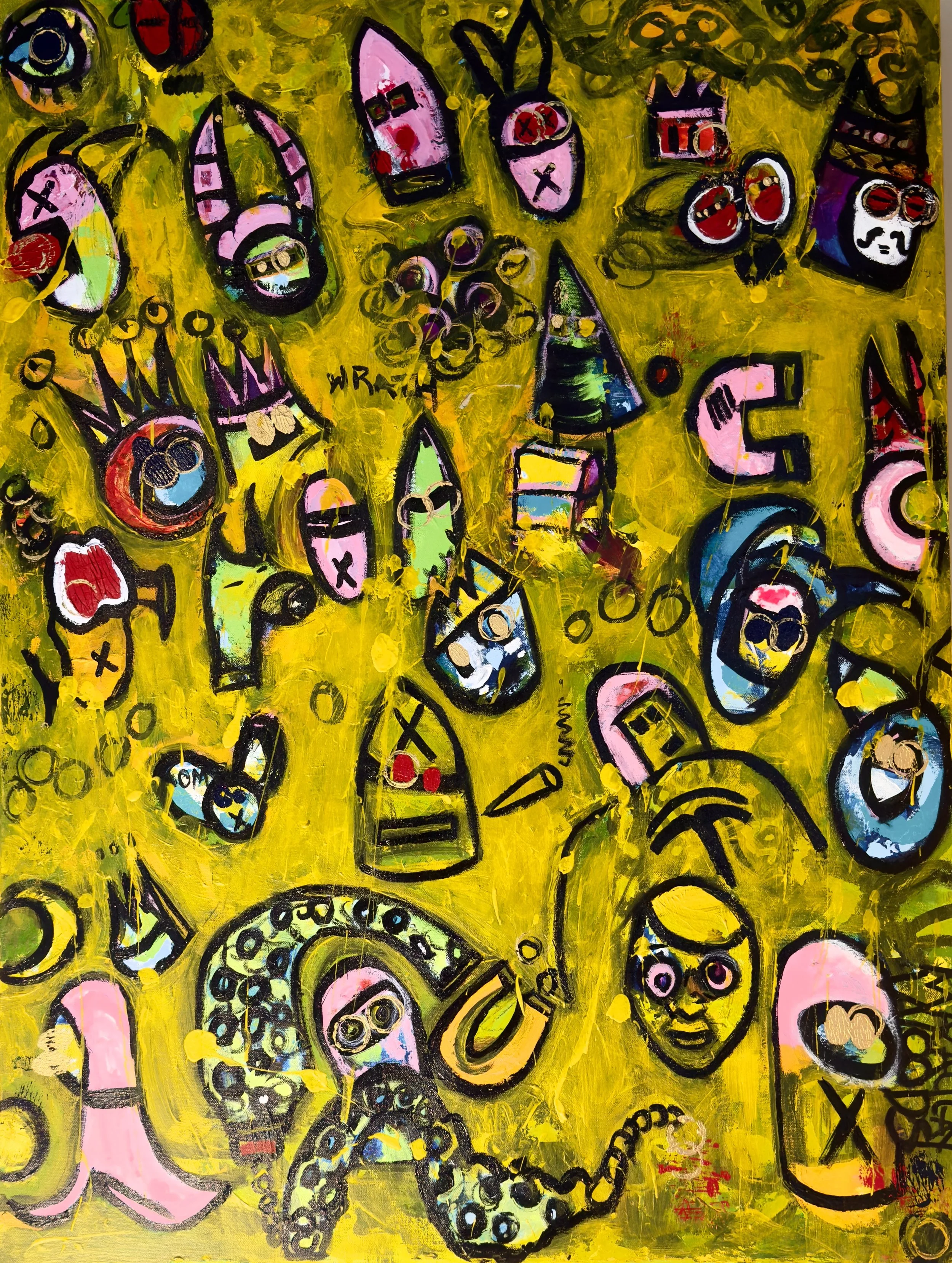
Human Erasure, ( The plight of the useless eater)