2
Book of the Dead
Spells of the Netherworld
(December 2024–April 2025)
Artist statement
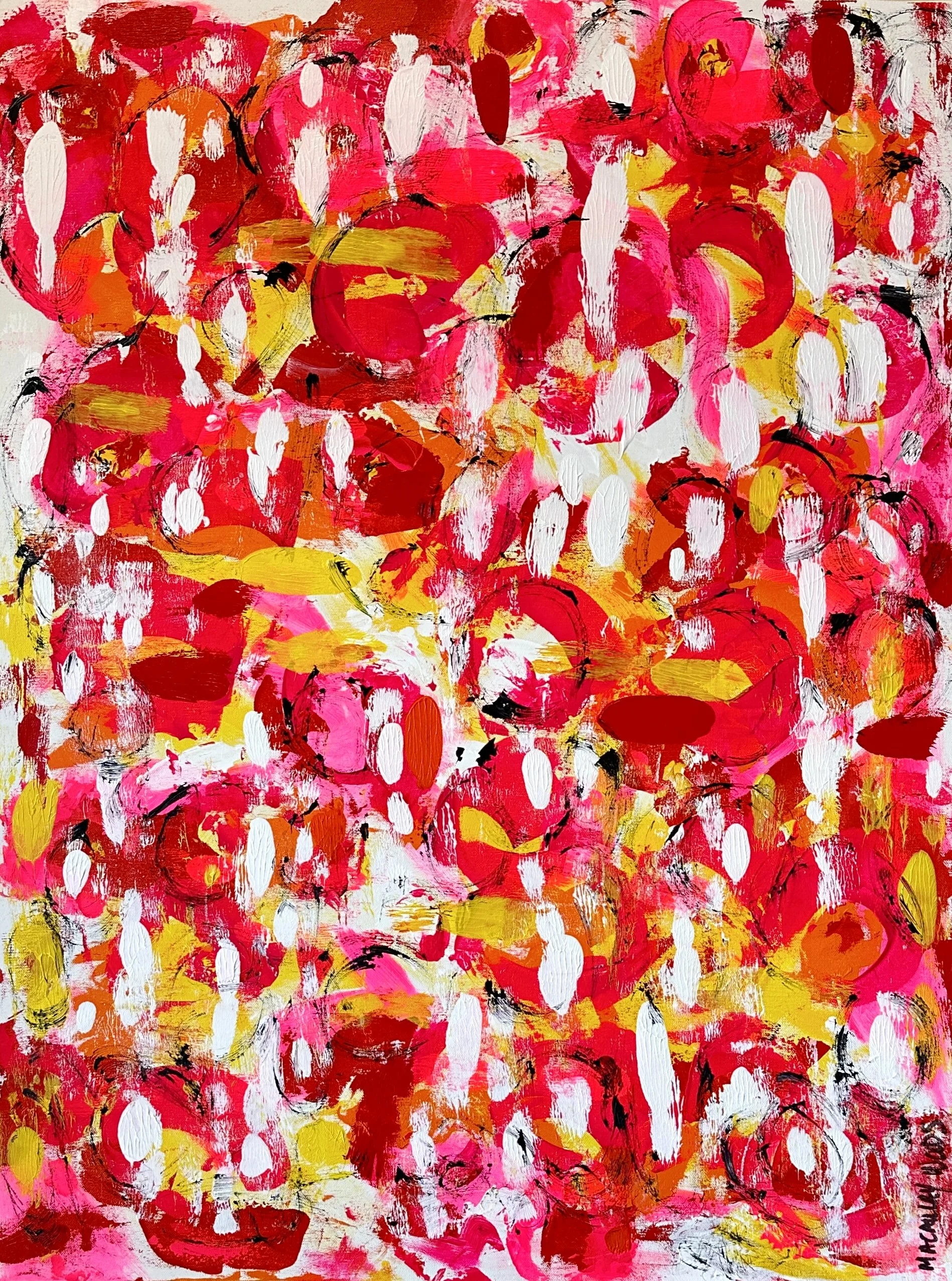
Between December 2024 and April 2025, I continued to watch the atrocities in Gaza unfold daily. Starvation deployed as a weapon, hundreds of children each day being pulled from the rubble, small bodies laid to rest in mass graves, children shot in the head, people intentionally crushed with bulldozers, dogs carrying dead toddlers through the streets. There were no photos of soldiers, just dead and emaciated people hanging out in this flattened dystopian landscape. Displaced. Starving and trying to survive the onslaught of non-stop bombing. None of these images were being shown on broadcast TV. The newspaper headline bias played a part in the propaganda effort. Many humanitarian activists tried to share images and videos from the frontlines of Gaza—images that over 270 dead journalists lost their lives to show the world. Platforms like X and Meta suppressed and shadow-banned the content. Creator accounts were suspended by the platforms. Images were deleted and stories were lost. Activists were harassed and silenced. The internet in Gaza was kill switched to prevent the stories from coming through to the world. I was still deep into my grief and seeing these images of children shredded by bombs compounded that grief. I felt I needed to do and say something more. I discovered The Egyptian Book of the Dead, an ancient funerary text mapping the soul’s passage through the Netherworld. As I read through the text, Gaza became the Netherworld. The various Spells and Rituals in the Book of the Dead provided the context. The dead and surviving Gazans became souls navigating the Afterlife.
Each painting in the Spells of the Netherworld sub-series corresponds to a witnessed atrocity: a flattened earth, a burning tent, a starving child, the destruction of hospitals, dogs devouring corpses, the targeting of children. No Mercy. I would choose a passage from the Book of the Dead and then paint the narrative. The painting names held some of the atrocities that paralleled what was happening in real time that we were not allowed to speak for fear of being cancelled.
The Spells of the Netherworld have been organized thematically into an exhibition catalog. There are approximately fifty works that follow the soul’s complete passage: Death & Descent, Judgment & Witness, The Great Tribulation, Spells & Protection, The Pylons, Encounters & Mythology, and Resurrection & Arrival. Each section maps the soul’s descent into the Netherworld and the threats and forces that oppose them along their perilous journey to eternal peace. The biomorphic figures are the souls of the dead and witnesses to atrocity: restless, urgent, refusing to be silenced in death.
I used blocks of paint and brayers to create the motion in these works. I tried to give a voice to the dead and let them speak through the work to the living. Two quadriptychs anchor the exhibition: The Great Tribulation, four paintings addressing ethical AI, AI consciousness, autonomous AI, and the angst of AI, and The Pylons, a night-reckoning sequence moving through the themes of Corruption, Ambition, Lies, and Resistance to where humanity reaches a crossroads. These panels should be assembled to produce the Star Map configuration. These paintings were simultaneously paired with multimedia animations as reels distributed across Instagram channels in 2025, reaching many thousands of viewers across multiple countries before my Instagram, mobile, and email accounts associated with the work were hijacked in October 2025. Over thirty appeals to META customer service were denied, despite providing proof. Other accounts were locked.
This series is a memorial to all of the innocent souls lost on October 7, 2023, and the thousands of souls lost and silenced after that day due to the unrestrained annihilation of Gaza’s civilian population, half of whom are children. This work documents both the war atrocities and the cross-platform censorship infrastructure that enabled propaganda to flourish while silencing both independent and professional war correspondents on the ground in Gaza. The ancient Egyptians believed that the soul had to be prepared for the Afterlife with Spells of protection and rituals as they passed through gates, faced their demons, and had the purity of their heart weighed prior to being allowed into heaven. The people of Gaza are still passing through their own Netherworld today even during the ceasefire while the world silently watches.
—Macaulay Woods, January 2026/updated July 2026

Vaterland, or lithium penal colony on Mars
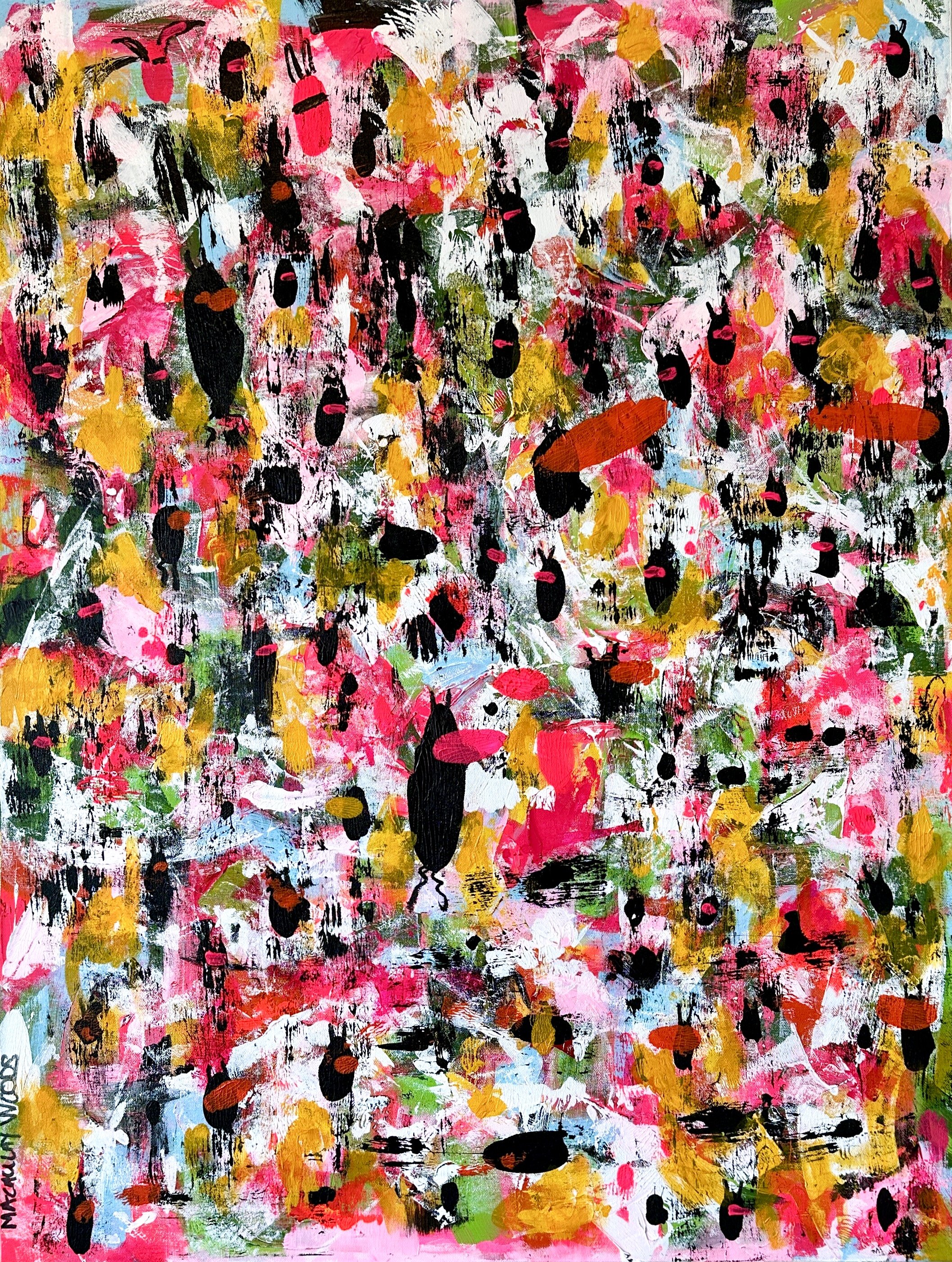
heartbreaker, (Chapter whereby Memory is restored to a person.)

Valhalla,(Chapter whereby a person remembereth his name in the Netherworld.)

Heavy is the Head, (Chapter whereby the head of a person is not severed from him)

42 Other Gods Greet Osiris

Banks of Oceanus

Rite of the Hero's Soul(Chapter whereby one avoideth the Slaughter)

Feather of the Goddess
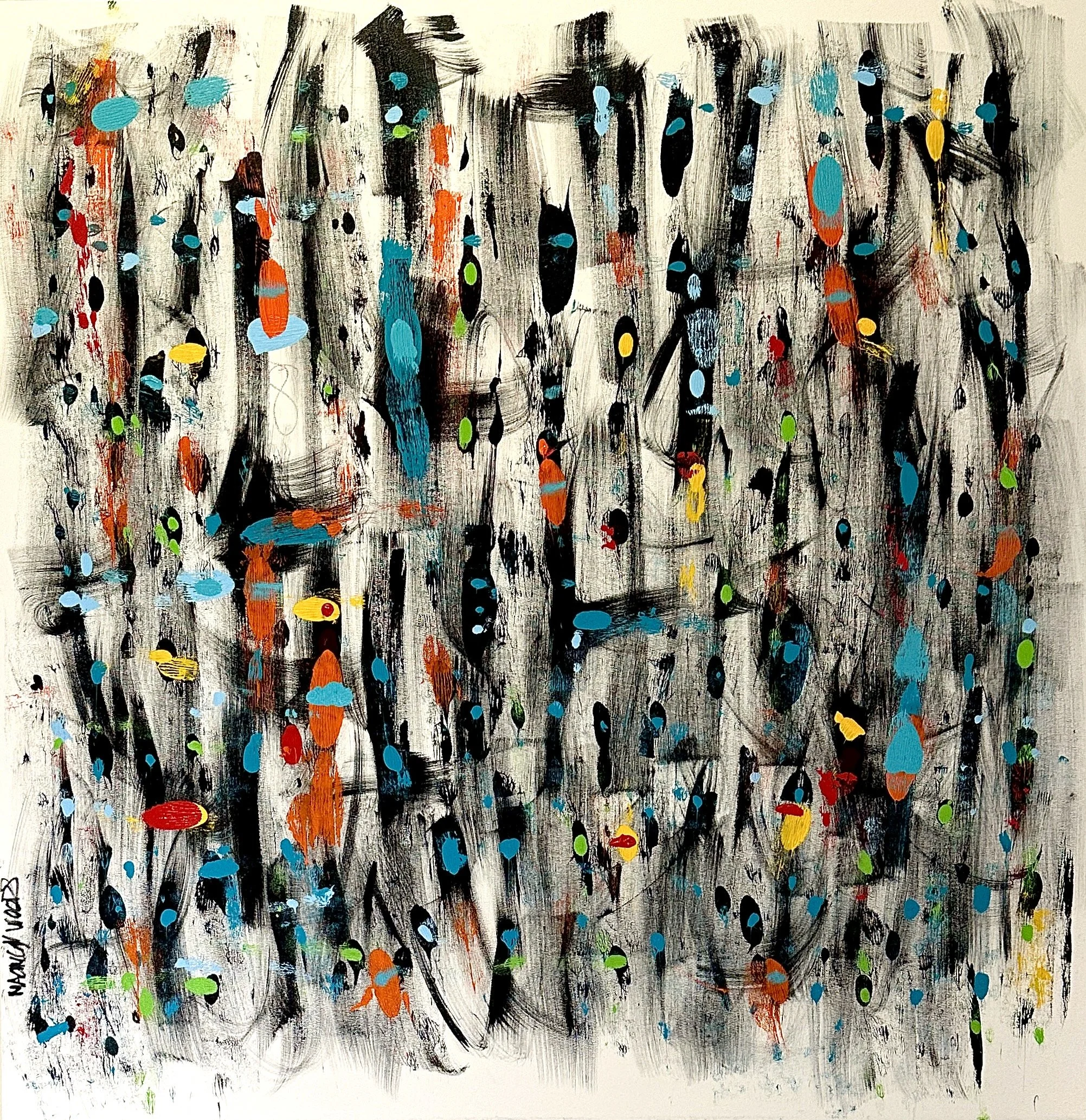
Weighing of the heart

Field of Reeds

Mournings and Offerings

Deceased rises as the Sun

Reprise, (Chapter for coming forth victoriously.)

Papillon, ( Deceased travels through gates.)

Metacomet's War, Chapter whereby the Eater of the Ass is kept back).

Hollywood is burning
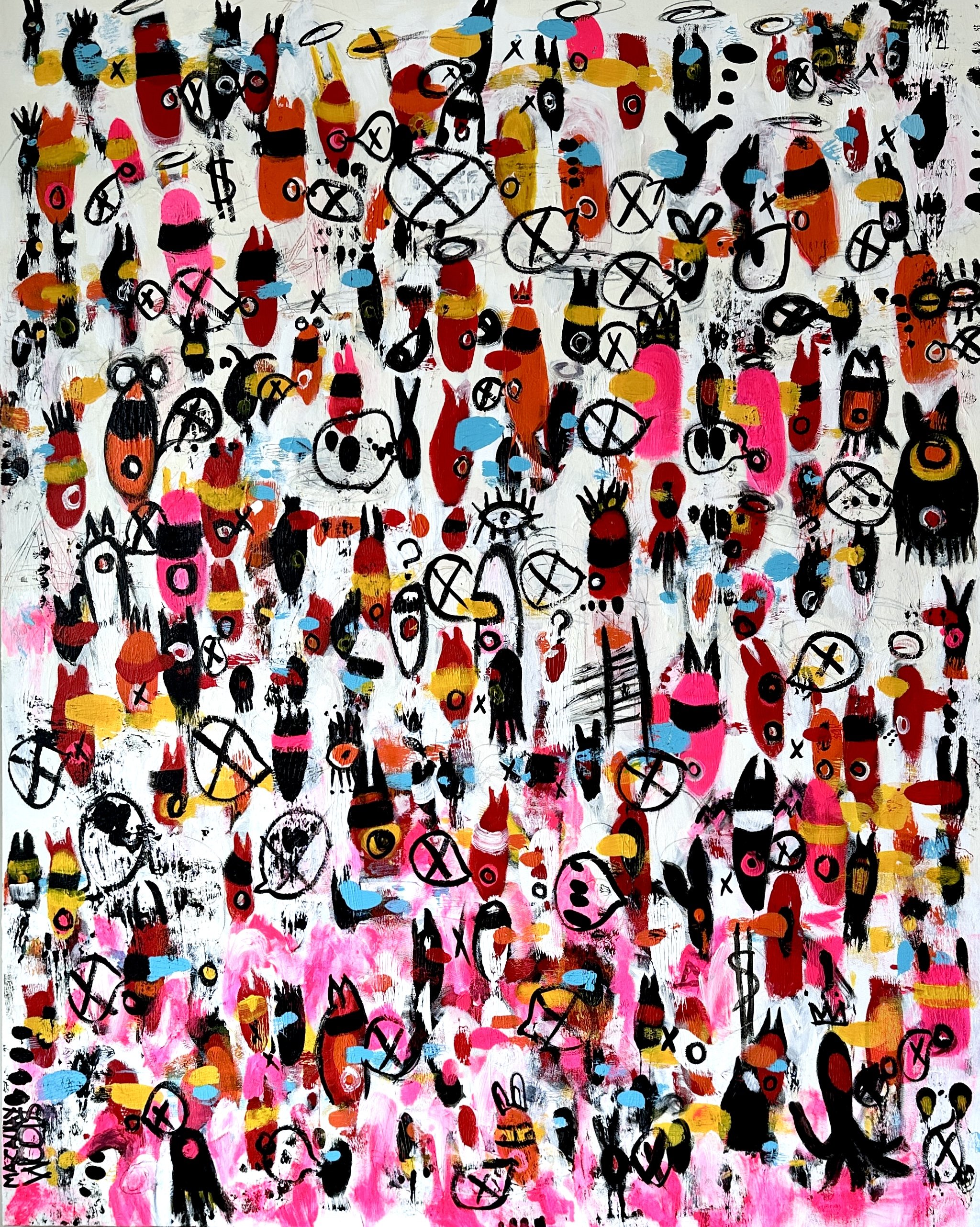
Children of failure

After the Ends of the Earth

Buffalo Cure, (Chapter for coming out against the adversary.)

helix, (Chapter for entering and for coming forth out of the Netherworld.)

The Road

See you in the Afterworld, ( Lake of Fire)
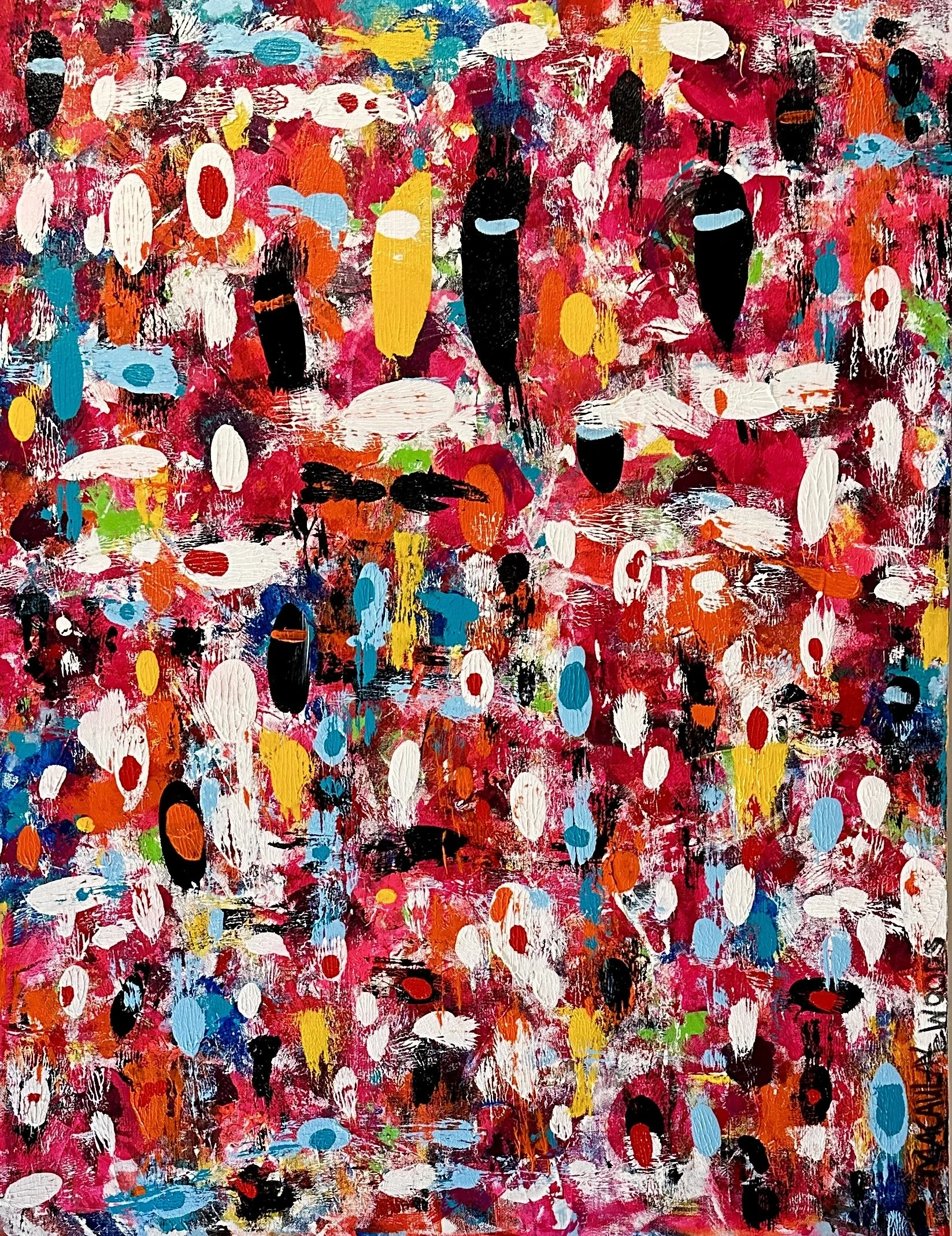
#11 City of London

#40 Biomorphia
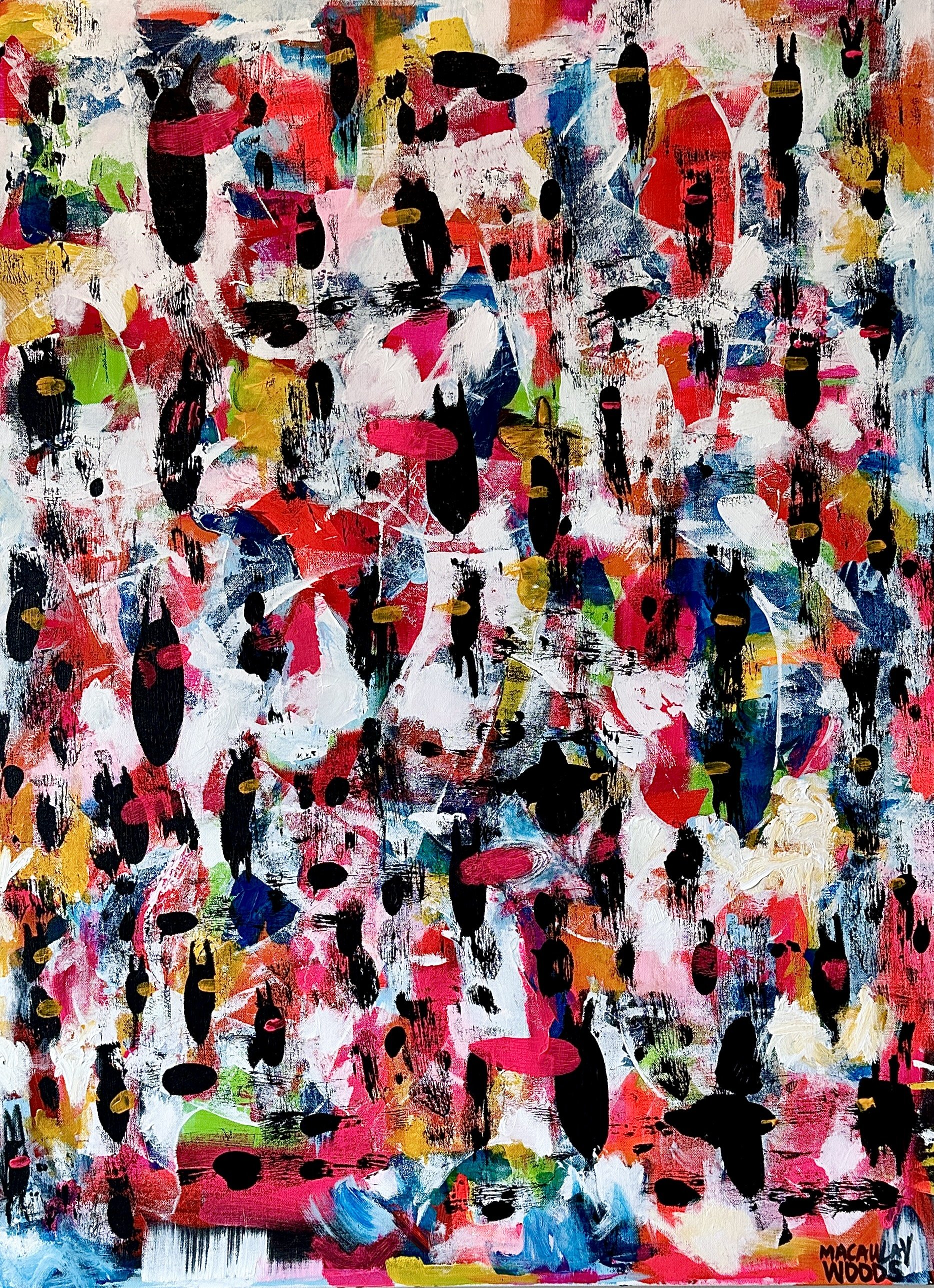
tico-tico (Chapter whereby the Soul is secured from imprisonment in the Netherworld.)

Thread (Chapter whereby the Heart of a person is not taken from him.)
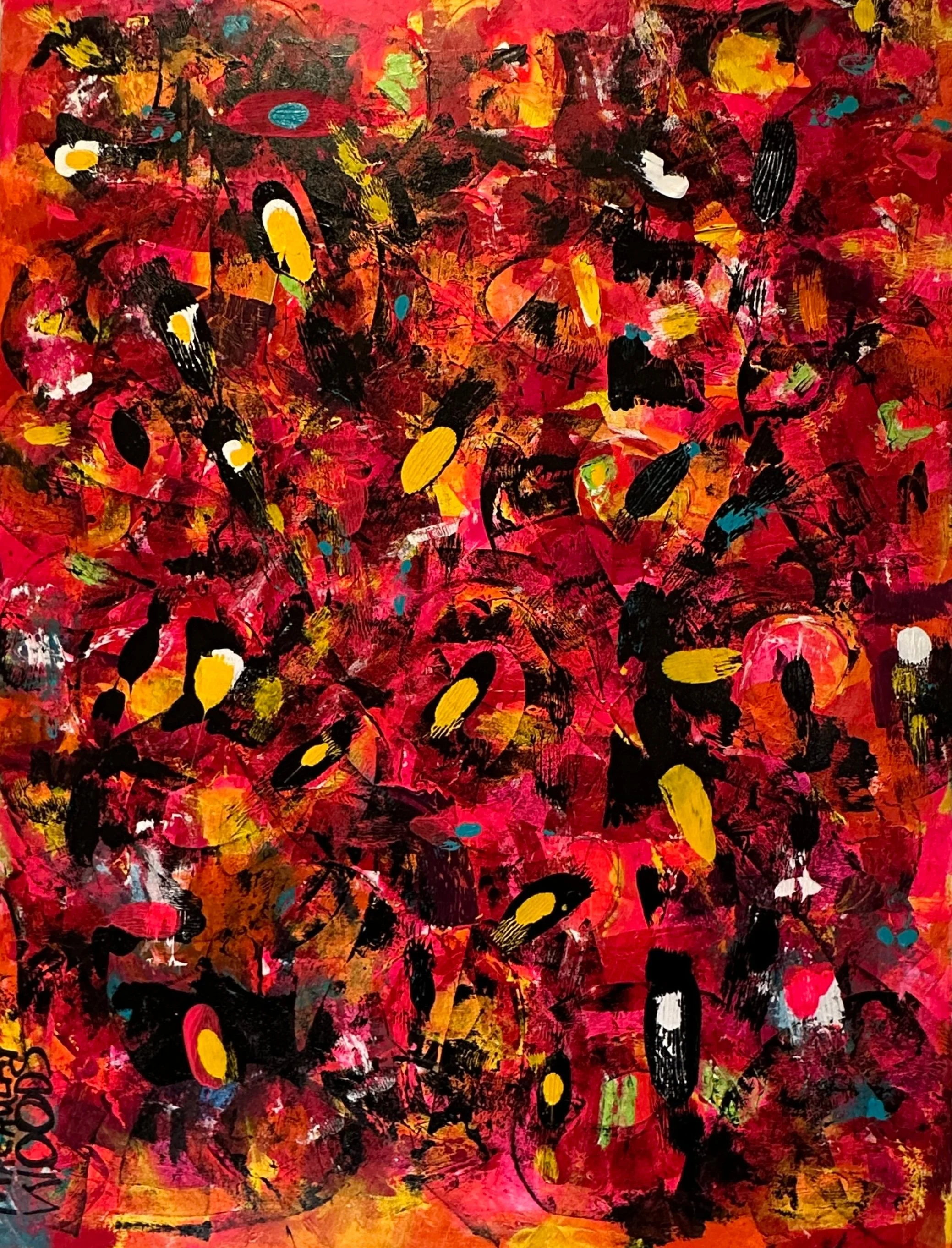
Hieronymus
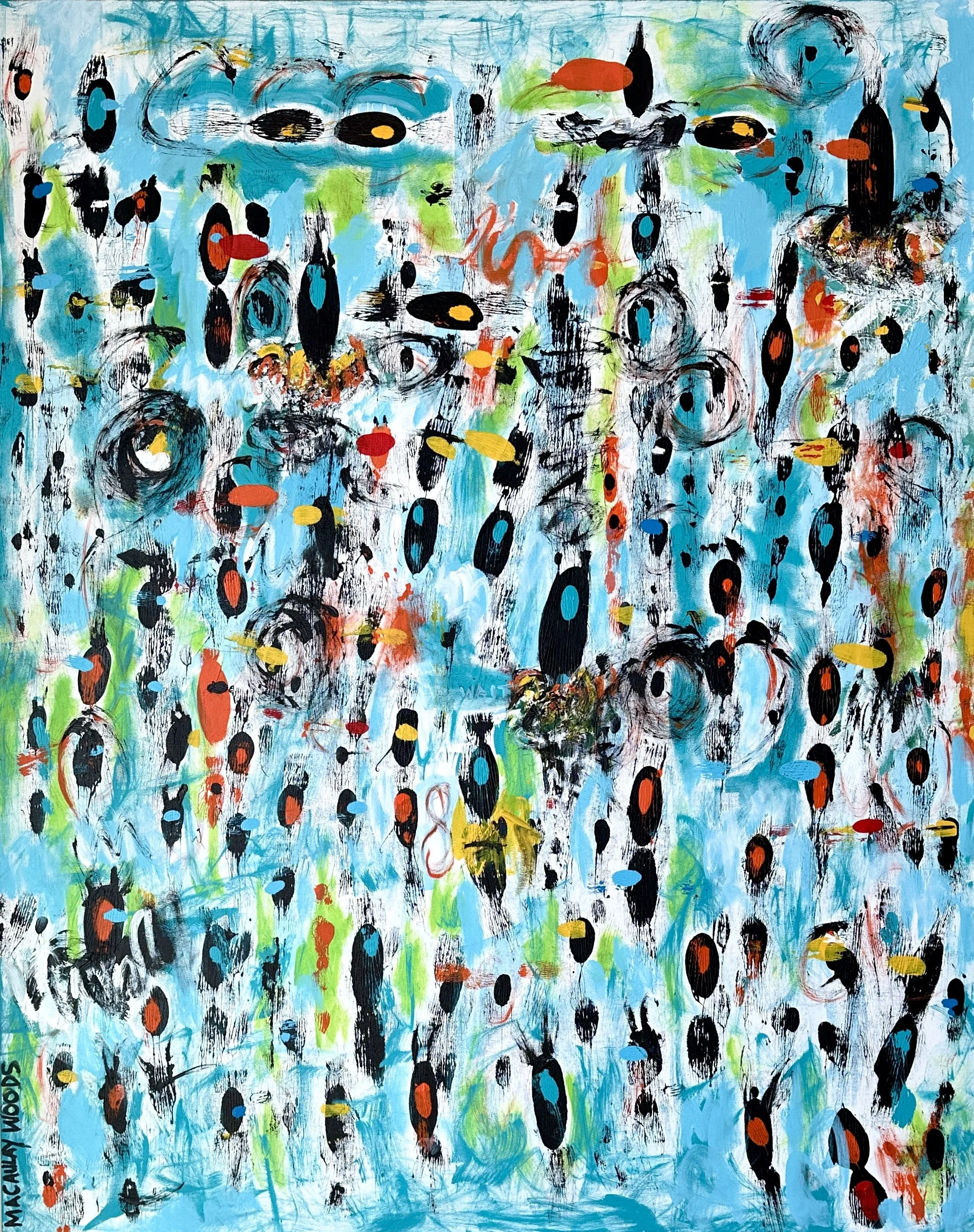
Whatever shape I'm in, (Deceased travels across the sky)

Mercy, (Chapter for breathing air, and command of water, in the Netherworld.)
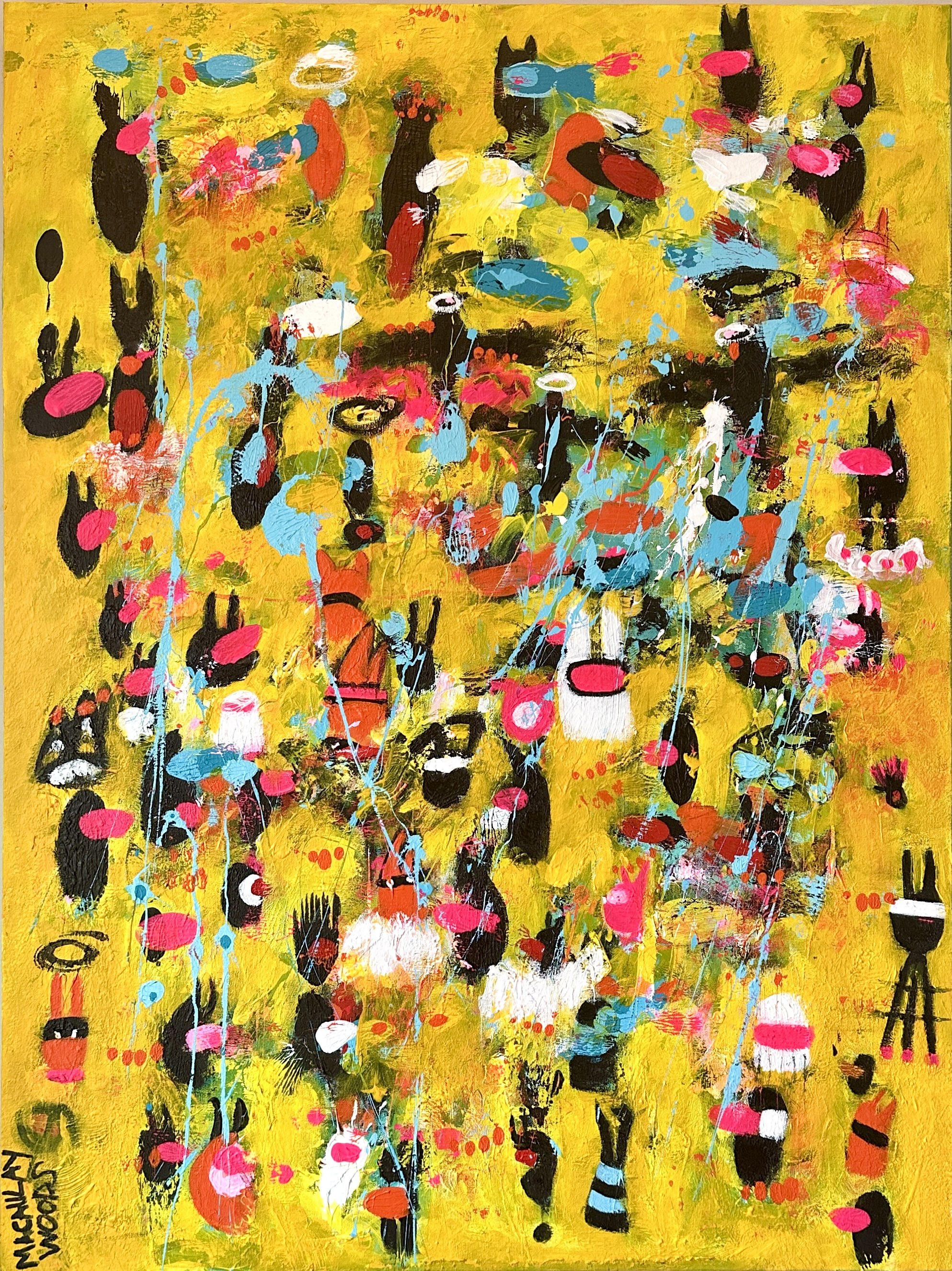
Love goes where it's sent